Boosting Supplier Resilience: A Practical Guide for Small Businesses in Singapore
Strong supplier relationships are vital for smooth operations and healthy profit margins. Learn how effective supplier management can help small retailers and F&B businesses in Singapore ensure consistency, quality, and growth.

Running a small business involves many moving parts, from daily operations to customer service, logistics, and finances. In this mix, supplier management often takes a back seat. Yet, it’s one of the most critical functions that directly affects a business’s stability, cash flow, and ability to grow.
For small retailers and F&B operators in Singapore, reliable suppliers mean steady inventory, consistent quality and predictable costs. Managing supplier relationships well protects profit margins through steady inventory and predictable costs.
In this article, we’ll explore the fundamentals of supplier management, trends shaping small business procurement, and tips for building stronger supplier relationships.
What's Changing in Small Business Procurement
Supplier management refers to how businesses select, evaluate and maintain relationships with the vendors who provide goods and services. It encompasses sourcing, contract negotiation, performance monitoring and risk mitigation.
For small businesses with tight margins and limited resources, effective supplier management delivers tangible advantages. Consistent quality, better pricing and payment terms, reduced operational risk through diversified suppliers, and stronger partnerships that lead to flexible arrangements or priority service during shortages.
Why is Supplier Management Important?
Effective supplier management allows small businesses to:
- Ensure consistency and quality in goods and services.
- Negotiate better prices and payment terms, improving cash flow and profitability.
- Reduce operational risk by diversifying suppliers and having contingency plans.
- Build trust and collaboration, which can lead to more flexible arrangements or priority service.
- Improve efficiency by streamlining purchasing, invoicing, and communication processes.
For small businesses with tight margins and limited resources, these advantages can make the difference between surviving and thriving in a competitive market.
Trends and Insights

SMEs are diversifying supplier networks to reduce risk and build resilience
- A 2024 outlook report by Forbes and FedEx indicated that 80% of SME leaders in Singapore are keen on expanding their supplier networks.
Diversifying supplier networks is crucial for businesses, as supply chains face ongoing shifts from geopolitical changes and climate events.
F&B businesses face rising pressures
- Food Dive reports that the F&B sector is under stress from inflation, shipping delays, climate changes, and ingredient shortages.
- In Singapore, F&B businesses are under pressure from high rentals and labour costs, a tight labour market, and intense competition.
With inflation and shipping delays, the cost of supplies is volatile. This highlights the need for businesses to monitor cost pressures closely. It is also important to negotiate carefully with your suppliers and manage risk.
Businesses are leveraging technology and AI for core business functions, including supplier management
- Salesforce reports that 75% of small and medium-sized businesses are experimenting with AI.
- Research from Alibaba.com indicates that 63% of SMEs globally seek AI tools to facilitate cross-border trade.
These trends signify that digitisation and AI adoption are no longer optional, but essential. With a growing number of businesses leveraging technology and AI tools, adopting these tools enables businesses to compete more effectively.
Technology marketplaces like Stack-EZ now offer curated tools to help small businesses stay ahead—including restaurant operation platforms, smart POS systems, and integrated AI-powered analytics platforms—all in one place, without the guesswork.
Supplier Management Steps for Small Businesses in Singapore
Once you’ve defined your needs and priorities, the next step is to translate them into a clear action plan. A structured supplier management strategy helps you choose the right vendors, set expectations early, and manage relationships more effectively as your business grows.
Define Your Needs and Objectives
Before engaging suppliers, clarify your business priorities and what you’ll need from your supplier relationships. It can be helpful to consider the following:
- What are your business priorities?
In terms of supplier management, your priorities may include reliable delivery timings, consistency in product quality, or flexibility with payment terms. - What are your supply requirements?
Think about the products or services you require, pricing, as well as the purchase frequency and volume. - What are your operational constraints?
Factors you need to consider include manpower, storage space, and cash flow. For instance, if your retail store has limited storage space, opting for more frequent deliveries may be a better option even if the unit prices are higher. - How will your needs change as your business grows?
As your business grows, you may expand your product range or enter new markets. Assess whether your suppliers can scale alongside you — partnering with those who can support future growth ensures long-term stability, and reduces the need for costly transitions later.
By gaining clarity on your needs and objectives, you’ll make better supplier choices and avoid reactive decisions based on short-term needs. Documenting your needs also helps when you need to compare quotations or negotiate contracts at a later stage.

Build a Supplier Management Strategy
A supplier management strategy is a plan outlining how your business will choose, engage, and manage vendors to achieve your operational and strategic goals. It covers both strategic and day-to-day activities — from supplier selection and contract negotiation, to relationship building and performance monitoring.
Key components in a supplier management strategy include:
- Selection criteria for assessing suppliers. These may include quality, reliability, responsiveness, financial stability, pricing, and compliance with regulations.
- An overview of your suppliers, listing out information such as the contract start and end dates, contract terms, account managers. It can help to segment suppliers based on their importance, risk, and contribution to your business.
- An overview of your onboarding process. Prepare a checklist that lists out all the steps in the onboarding process — from collecting the necessary documents, to verifying supplier information, providing training for new suppliers, and performance measurement.
- A plan for managing your supplier relationships. This outlines the type and frequency of your communication, such as monthly meetings or a quarterly review. It also outlines your feedback process, and procedures for dealing with delays or other problems.
- A contingency plan. This section covers potential risks that could disrupt your supply chain, key suppliers that are critical for your core business activities, your safety stock and inventory buffers, and alternative options such as backup suppliers.
Foster Strong Relationships with Your Vendors
Strong supplier relationships don’t just make operations smoother. They drive cost savings, reduce delays, and improve product quality — all of which translate into better service for your customers.
- Meet suppliers in person when possible, as this helps to nurture stronger and more reliable partnerships. Plus, it’s an opportunity to visit your vendors’ facilities to get to know their team, and assess their operations, storage space, production capabilities, and quality control.
- Establish consistent communication. Be transparent about forecasts, challenges, and expectations. This builds goodwill and reliability on both sides.
- Be timely in your payments. Paying your invoices promptly strengthens your credibility, and makes suppliers more likely to extend flexibility or priority service in the future.
Continuously Monitor Supplier Performance and Risk
Supplier performance should be reviewed regularly — not only when problems occur. This allows you to identify issues early, maintain accountability, and strengthen collaboration over time.
You need to track indicators such as:
- Delivery timeliness and reliability, such as how consistently suppliers meet agreed delivery dates.
- Product or service quality, including frequency of defects, spoilage, or deviations from agreed specifications.
- Pricing stability and cost control, such as whether suppliers maintain fair and consistent pricing, or often adjust their rates.
- Responsiveness and problem resolution, such as how quickly and effectively issues are addressed when they arise.
- Accuracy of documentation, including the completeness and accuracy of invoices, delivery orders, and certifications.
- Communication and support, such as how well suppliers keep you notified on changes, stock availability, or disruptions.
- Compliance and safety standards, including adherence to hygiene, food safety, and regulatory requirements.
Documenting these indicators helps you identify performance patterns. Frequent delays, cost fluctuations, or quality inconsistencies can highlight when it’s time to renegotiate the terms or explore alternative vendors.
Beyond performance, keep an eye on external risks that could affect your suppliers, like economic shifts, raw material shortages, or regulatory changes. Proactive monitoring allows you to adjust your procurement or inventory plans early, rather than having to react under pressure later.
Building Long-Term Supplier Resilience
For small businesses, supplier management isn’t just about procurement — it’s about building resilience. This is critical for achieving stability and growth amidst a constantly shifting global landscape.
By defining your business needs, implementing a well-thought-out strategy, nurturing strong vendor relationships, and continuously monitoring performance, small businesses can turn their supplier networks into an advantage — one that supports trust and builds long-term success.
Technology platforms like StackEZ can support this approach by connecting businesses with the right tools and partners to manage suppliers and scale operations efficiently.
Related Articles

Delegation for Founders: Avoiding Burnout in F&B and Retail
Founders are driven and resilient, but even the toughest can face burnout. Learn why entrepreneurs are vulnerable, how to spot the signs early, and what steps can help restore balance and focus.

3 Restaurant Tasks You Can Automate Today
Running a restaurant in Singapore means juggling many moving parts amid rising costs and competition. Automation can ease the load—boosting efficiency, cutting costs, and letting staff focus on what matters most.

Is Your Business Covered? An Easy Guide to SME Insurance
Protect your café or restaurant from unexpected setbacks with the right SME insurance. This simple guide breaks down what coverage you need and how to choose the best plan for your business.
Accelerate Your Business

All-in Business 5G+ SIM Only Plan
Made Easy and Secure
Keep connected to your business in SG and overseas securely with roaming data & mobile protect.


Customer Engagement
Made Easy
Engage and identify your best and most profitable customers to boost retention.

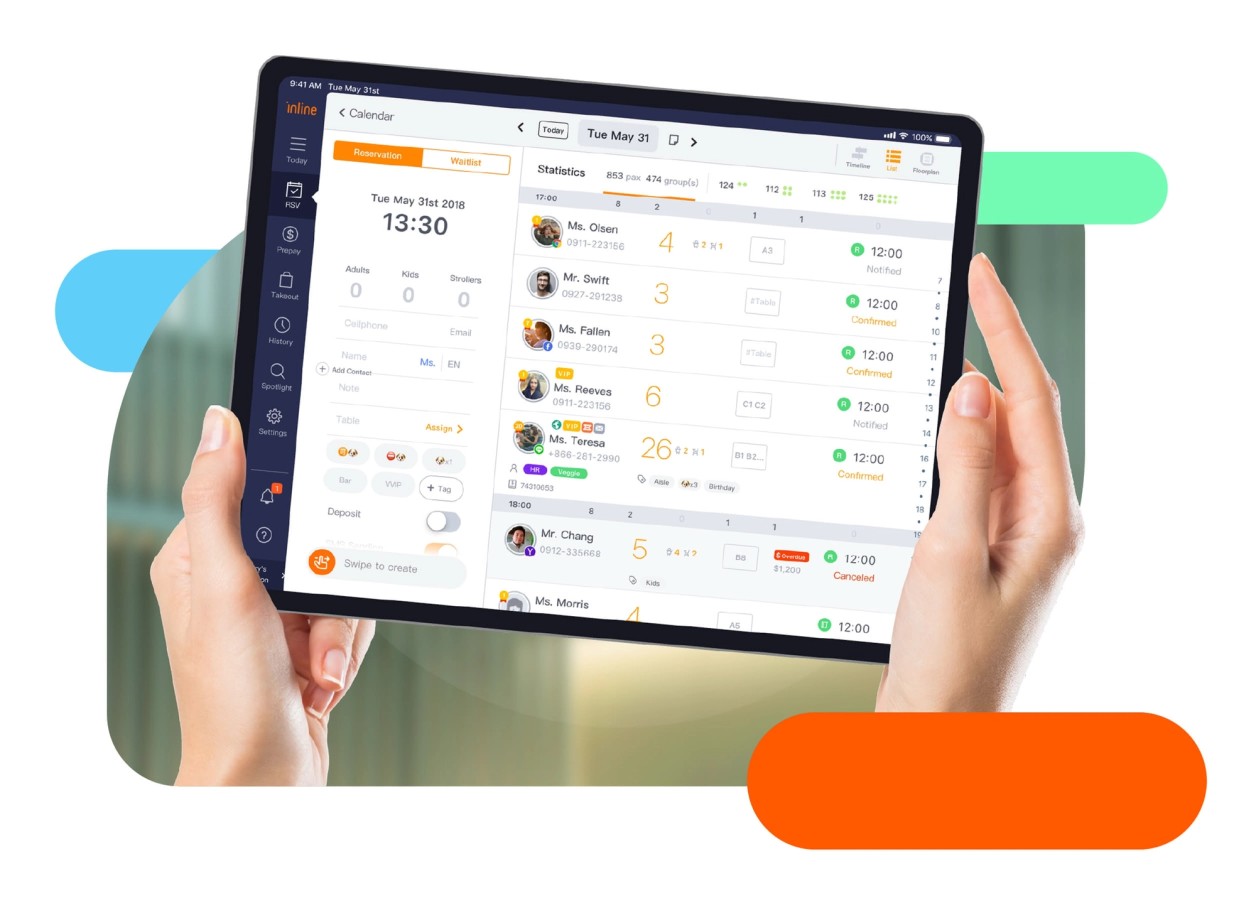
Table Management
Made Easy
From first click to final bill, manage bookings, tables, and guests with ease.