Delegation for Founders: Avoiding Burnout in F&B and Retail
Founders are driven and resilient, but even the toughest can face burnout. Learn why entrepreneurs are vulnerable, how to spot the signs early, and what steps can help restore balance and focus.

It takes a specific type of person to become a founder: driven, passionate, full of grit, and endlessly resourceful.
These individuals have higher threshold for stress than others, but that doesn’t mean they’re immune to burnout. And sometimes, it's these very traits that blind founders to their own limits.
Below, we dive deep to help you understand more about founder burnout, why business owners are susceptible to this, and the signs you need to look out for. We also highlight trends and statistics on burnout and stressors small business owners face, and actionable steps you can take to manage burnout.
Understanding Founder Burnout: Why It Hits Differently
Founder burnout is a state of chronic physical, mental, and emotional exhaustion. It isn’t just regular work-related stress; it’s intense, because much of a business owner’s identity, self-worth, and personal life are tied to their company and its performance.
As a founder or small business owner, you’re susceptible to burnout because:
- You work alone, or in small teams. A lack of support systems can lead to feelings of isolation, overwhelm, and anxiety.
- Your boundaries are blurred. Work-life boundaries can be non-existent, particularly in the early stages of starting a new business.
- You’re under immense pressure. You juggle multiple roles, and often need to make important decisions across all areas of your business—from business strategy, to team management, financial management, and resource allocation. This non-stop decision-making can be exhausting, especially when it feels like every decision holds weight.
- You need to manage uncertainty. As a business owner, you don’t get to “switch off” from work. Even when you’re not working, concerns about your customers, cash flow, or manpower issues can be running in the back of your mind. This can create low-grade anxiety—even when your business is going well.

Recognising the Early Warning Signs of Burnout
By recognising the signs of founder burnout early on, you can take immediate action to improve your health and protect your business outcomes.
You could be dealing with burnout if you experience symptoms such as loss of enthusiasm for your work, difficulty making decisions, increased irritability and increased self-doubt. Feeling tired even after resting, missing deadlines you used to manage well, withdrawing from team or social interactions or difficulty maintaining daily routines can also affect your well-being if not addressed.
Burnout manifests differently for everyone. Fortunately, recognising these signs early means you can take action before they escalate.
What the Data Tells Us on Founder Burnout
Mental health conditions founders experience
- Over half of founders surveyed (53%) said they have experienced burnout, according to a 2024 Sifted survey.
- Mental health conditions they experience include:
- Depression
- Burnout
- Insomnia
- Anxiety
- High stress levels

Key stressors for small business owners
- Findings from Next’s 2025 pulse check showed that 62% of small business owners said inflation is their biggest stressor. It tops their list of worries, which also includes: reduced consumer spending (43%), a potential recession (38%) and supply chain issues (35%).
- Manpower shortage is one of the fastest-growing sources of stress. It doubled from 14% in 2023, to 30% in 2025.
- The top obstacles to starting a new business in 2025 include:
- Rising costs of goods and services
- Increased competition
- Changes in taxes or tax incentives
- Workforce shortages
- Funding access
In Singapore, small and medium-sized businesses (SMBs) remain optimistic despite rising cost pressures
- The Straits Times reports that small businesses continue to face rising rents and high operating costs. For some, like French pastry bakery Nicher, rent alone takes up at least half of total expenses. Others, such as Flor Patisserie, have faced rent hikes of more than 50%, making operations unsustainable.
- Xero’s The State of Small and Medium Businesses Singapore 2025 report echoes this. Most SMBs say inflation and higher operating costs are their biggest pain points, while nearly half point to changing consumer habits and staff shortages as added pressure. Yet, the majority of businesses remain resilient. Six in 10 saw revenue growth last year, and 76% said they remain optimistic about the future.
Takeaways for founders
- Delegating early and strategically—rather than waiting until you’re overwhelmed or experiencing burnout—is crucial.
- Create systems and leverage technology to reduce dependency on your input.
- Invest in staff retention and training to address the manpower gap.
- Burnout is a business risk factor, and it’s important that you track your mental health alongside other core business metrics.
Practical Strategies for Sustainable Leadership
Burnout builds gradually as founders take on more than they can sustainably manage. However, there are practical ways to prevent burnout early on. These strategies can help you protect your wellbeing and your business.
Start Delegating Early
The repeated advice from experienced founders is clear: start delegating immediately, rather than waiting until you feel overwhelmed. Trying to do everything yourself makes decision-making harder and slows business development.
Whether you delegate to employees or outsource tasks, sharing the load is essential for preventing burnout.
Leverage Technology to Combat Burnout
Leveraging technology—such as smart systems or AI-powered platforms—can take the pressure off, as it optimises your workflows, helps create organisation and structure, and boosts operational efficiency.
F&B and retail businesses can tap into tools like:
- Inline, a booking management system for restaurants and cafes. It automates reservation management, reducing front-of-house stress and human error. Inline provides custom questionnaires for business owners to capture diner preferences and feedback, turning every booking into actionable insights for staffing and marketing decisions.
- EPOS, a smart POS system connecting payments, delivery platforms, and accounting in one platform to reduce manual data entry and errors. Features like QR-code ordering and robust training support help teams run efficiently even amid staffing shortages.
- Whale SpaceSight, an video analytics platform using AI-powered analytics to track foot traffic, identify high-engagement zones, and optimise layout or product placement. Its remote monitoring features help founders oversee multiple outlets without being on-site, freeing time for strategy.
Build Support Systems
Having a support system is invaluable for small business owners. It’s a space where you can share the highlights and setbacks of your entrepreneurial journey, gain guidance and inspiration from a professional network, and be in the company of like-minded individuals who understand the unique challenges you face.
Here are some ways to get started:
- Join business communities, such as Startup Grind Singapore, Launchpad, entrepreneurship groups on Meetup, or CRIB Society.
- Seek a mentor by reaching out to former bosses or colleagues, or through government initiatives such as Startup SG Founder and local startup incubators. If you already have mentors or professional contacts, take a moment to clarify what you hope to discuss before reaching out—it makes the conversation more focused and valuable for both parties.
- Empower your employees to make decisions, solve problems, and take ownership over their scope of work. For instance, you can train cashiers to resolve customer issues without requiring your approval, or give frontline staff visibility into performance goals so they feel accountable and motivated.
- Find an accountability partner to track your mental health. During periods of high stress, it can be difficult to gauge your own mental, emotional, or physical state objectively. An accountability partner—whether a co-founder, business partner, or close friend—can help you spot early signs of burnout you might overlook, such as dwindling motivation, mood changes, or trouble sleeping.
Protecting Your Greatest Asset
Taking care of yourself isn’t an indulgence for founders; it’s what keeps everything else running. Your physical, mental, and emotional wellbeing directly impact how clearly you think, how well your team performs, and how resilient your business becomes.
Strategies like delegating effectively, leveraging technology, and building support systems help lighten your load and build trust within your team. This ensures your business can run smoothly, even when you step back.
Related Articles

Boosting Supplier Resilience: A Practical Guide for Small Businesses in Singapore
Strong supplier relationships are vital for smooth operations and healthy profit margins. Learn how effective supplier management can help small retailers and F&B businesses in Singapore ensure consistency, quality, and growth.
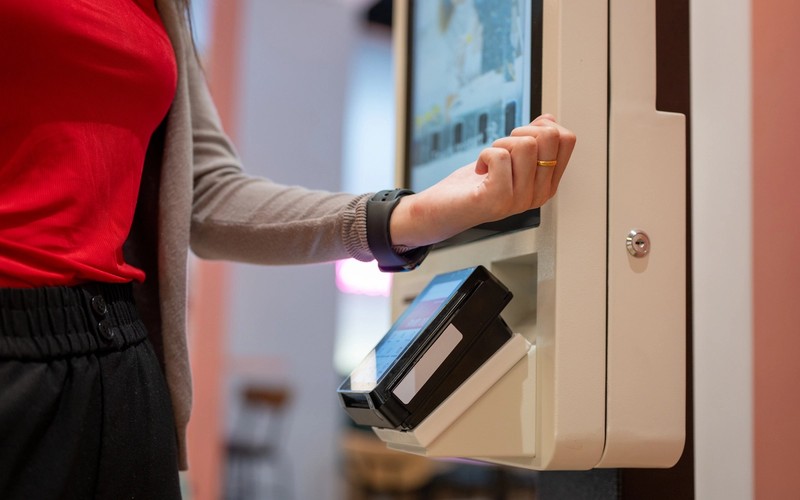
3 Restaurant Tasks You Can Automate Today
Running a restaurant in Singapore means juggling many moving parts amid rising costs and competition. Automation can ease the load—boosting efficiency, cutting costs, and letting staff focus on what matters most.

Is Your Business Covered? An Easy Guide to SME Insurance
Protect your café or restaurant from unexpected setbacks with the right SME insurance. This simple guide breaks down what coverage you need and how to choose the best plan for your business.
Accelerate Your Business
All-in Business 5G+ SIM Only Plan
Made Easy and Secure
Keep connected to your business in SG and overseas securely with roaming data & mobile protect.


Customer Engagement
Made Easy
Engage and identify your best and most profitable customers to boost retention.

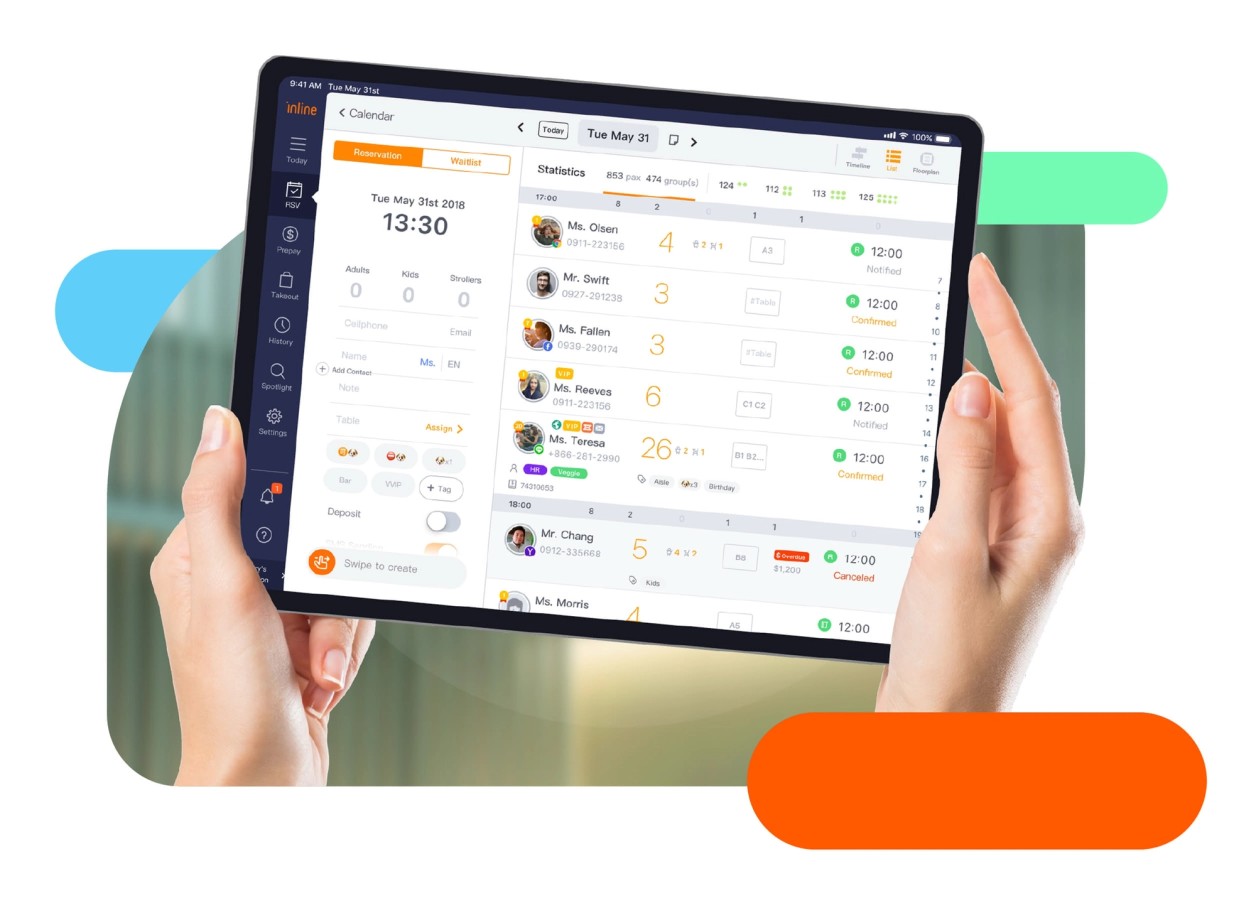
Table Management
Made Easy
From first click to final bill, manage bookings, tables, and guests with ease.