CRM Solutions Explained: The Small Business Guide to Scaling Customer Relationships
Strong customer relationships are key for small business success, but managing them can be tough. A CRM system simplifies this by centralising data, automating tasks, and enabling personalised customer experiences.
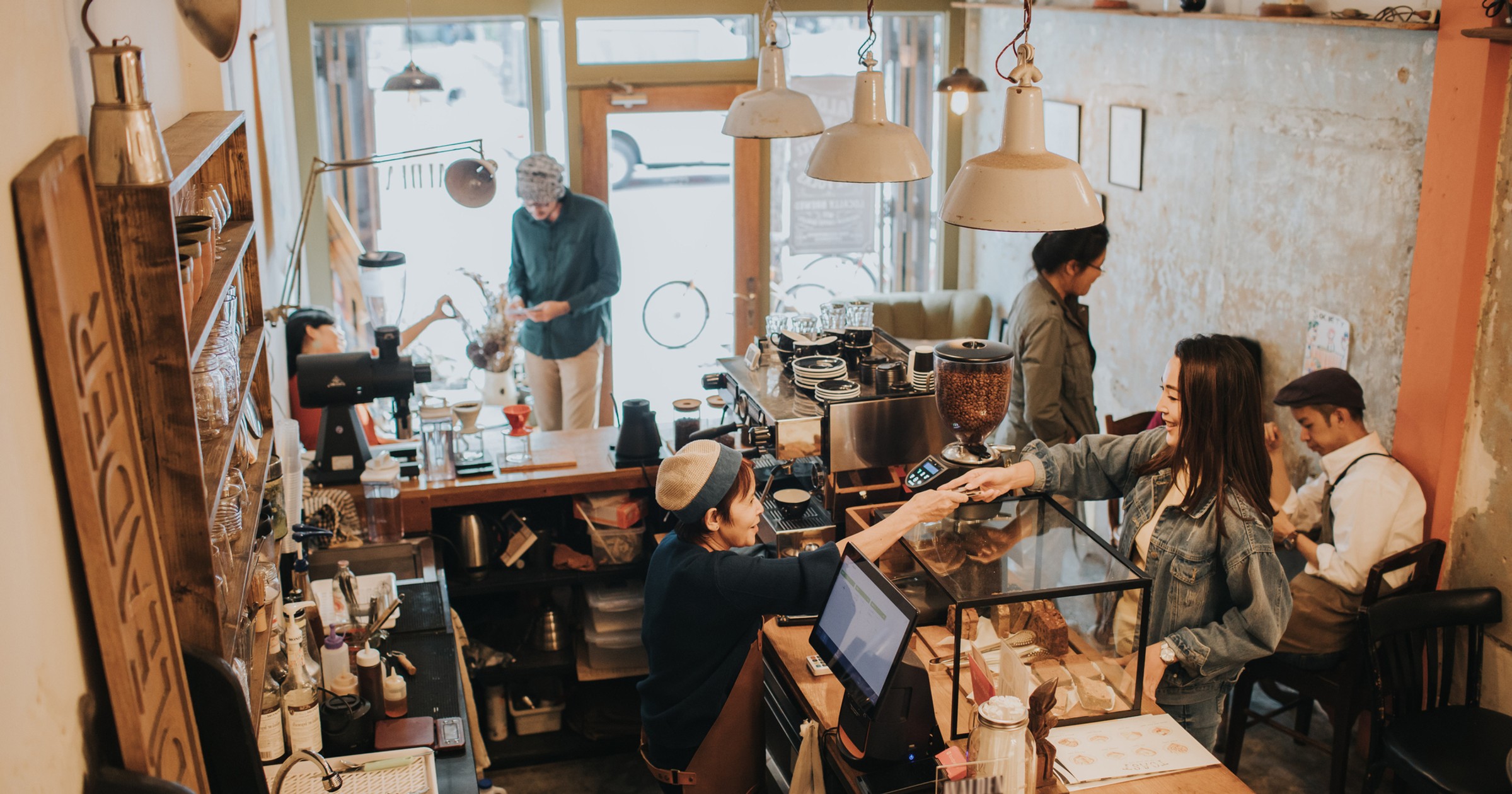
Strong customer relationships set small businesses apart, yet managing them across multiple channels is challenging with limited time and resources.
Customer relationship management (CRM) systems offer a practical solution by helping businesses centralise customer data, automate routine tasks, and personalise interactions. From restaurants to boutique retailers, CRMs enable small businesses to build loyalty, improve efficiency, and make data-driven decisions that drive long-term growth.
CRM basics: What small businesses need to know.
Customer relationship management (CRM) refers to tools, practices, and strategies a business uses to manage and analyse customer interactions and data. It’s about building relationships with your customers: understanding who they are, how they interact with your business, and how you can meet their needs.
CRM systems are platforms you can use to put these strategies into practice. These systems offer key features like:
- Contact management: A database for storing customer information, such as contact details and communication history.
- Sales and pipeline management: Tools to forecast sales, automate sales processes, and manage the different stages of sales funnels.
- Analytics and reporting: Dashboards and reports for tracking key metrics, such as the customer retention rate, repeat purchase, visit frequency, and churn rate.
- Marketing automation: Tools to automate marketing campaigns, emails, customer segmentation, omnichannel messaging, and follow-up workflows.
- Customer service and support tools: Tools to manage customer service requests and interactions, including ticketing and case management, automated follow-ups, and customer feedback systems.

How CRMs drive efficiency and growth for small businesses.
CRM solutions help small business owners:
- Gain a unified view of customers: CRMs provide a comprehensive view of each customer, as it consolidates data across multiple business functions and touchpoints — including sales, marketing, and customer service. You gain an overview of a customer’s profile, which typically includes their contact details, demographic information, purchase history, communication history, preferences, and more.
- Improve customer retention: Using a CRM helps you keep track of who your customers are, how often they complete a transaction, and how they respond to your communication and outreach. This information enables you to tailor your interactions and strategies to meet your customers’ needs, and grow a loyal customer base.
- Boost sales and marketing efficiency: CRMs streamline sales and marketing processes through centralising data, ensuring that everyone on your team has access to up-to-date information. It offers greater visibility into your sales pipeline, ensuring fewer missed opportunities and quicker follow-ups. Plus, it automates repetitive tasks — including email marketing, social media management, and customer segmentation — freeing up your time to focus on growing your business.
- Gain data-driven insights: CRMs provide a wealth of data on your customers, turning everyday interactions — like purchases, visits, and feedback — into actionable insights. For small businesses, this is particularly valuable: your data needs are straightforward, but the insights can be transformative. Instead of investing in expensive analytics tools, a CRM gives you practical, easy-to-read reports that help you make smarter decisions.
- Stay organised and aligned: Disorganisation can lead to lost time, missed opportunities, and inconsistent customer experiences. These are detrimental to small businesses, especially as the local F&B and retail sectors grapple with declining foot traffic, escalating costs, and stiff competition. CRMs act as a single source of truth for all customer data and activities. Customisable dashboards provide a clear overview of key metrics, allowing you to see what’s on track and quickly spot areas that need attention. Notes, tags, and activity logs make handovers seamless between staff members across different shifts. Meanwhile, task automation and reminder features let you assign follow-ups and monitor progress, ensuring that no detail slips through the cracks.
Three ways small businesses use CRMs to stay competitive.
From restaurants to family-run retailers, small businesses are finding creative ways to use CRMs to stay competitive, and remain connected with their customers. Here are three key ways these tools can make a difference.
Nurture authentic relationships through personalisation.
Personalisation gives you a leg up on the competition, as McKinsey’s Next in Personalisation 2021 report indicates. Companies that excel at personalisation generate 40% more revenue from these activities than their peers. It’s especially critical for businesses operating in the retail and F&B landscape, where competition is high and customer attention spans are short.
This is a reminder that consumer trends can be fleeting. For small businesses, the trend cautions against relying on viral moments or mass marketing. Personalisation offers something more durable: nurturing authentic relationships with your customers.
Leverage CRMs for personalisation.
CRMs make personalisation scalable for small businesses. It centralises data, providing you and your team with a comprehensive view of each customer. This enables all staff members to remember and anticipate the needs of each customer, and engage with them on a personal level.
Learn How The Diner Uses Inline to Deliver Personalised Service

“Guest preferences are stored in Inline, so even our new hires can make regulars feel special.” — Amy Du, Chief Operating Officer, The Diner
The Diner, a popular Western-style restaurant in Taipei, used Inline to personalise its guest experience and elevate customer satisfaction. Inline is a booking management system with built-in CRM capabilities, including a database that captures guest data, automated booking confirmation, as well as reporting and analytics features.
These functions overlap with what a CRM does, but the scope is narrower, and focused on hospitality businesses. The app can be a good fit for restaurant and cafe owners looking for a solution to streamline their operations, without the complexity of a full CRM system.
Turn one-time buyers into repeat customers.
The costs of acquiring a new customer is substantial — it can be anywhere from five to 25 times more expensive than retaining an existing customer. For small businesses with limited resources, relying on heavy marketing spend to grow their customer base isn’t sustainable. Focusing on retention allows you to build loyalty and drive repeat sales, without increasing your marketing costs.
Furthermore, customer loyalty provides stability in a challenging economy. Amidst global uncertainty and rising costs of living, Singaporeans are increasingly cautious in their outlook. According to a YouGov survey, nearly half of Singaporeans (45%) believe the economy will fall into a recession in the next six months.
These trends are indicative of a shift in consumer behaviour: consumers are evaluating how they’re spending money, and are cutting back on discretionary spending. These shifts can disrupt sales — but having a loyal customer base can help cushion these dips.
Leverage CRMs for customer retention.
CRMs make it easier to build and manage customer loyalty programmes. You can track customer activity such as purchase patterns, referrals, and engagement, while the system automatically triggers rewards when specific thresholds are reached.
For small business owners with limited time, this automation is crucial, as it removes the need for manual tracking. A CRM also measures the effectiveness of rewards, helping you identify which incentives resonate most with different customer segments.
Streamline Customer Communication
In a 2024 Freshworks survey on CRM software, 43% of businesses indicated that CRM systems help shave off five to 10 hours of employee workload each week. This is achieved through automating repetitive tasks (50%), centralising customer data for easy access (46%), and streamlining communication with prospects and customers (41%).
This is crucial, as small businesses typically operate with a lean team, with each staff member juggling multiple roles. Cutting off five to 10 hours of communication work each week is significant, and leaves your team with more time to serve your customers.
Ready to build stronger customer relationships today?
Whether it’s building personal connections, improving loyalty, or streamlining workflows, CRMs give small businesses the structure and insights to compete more effectively. By turning customer data into action, they help you focus on what matters most—growing lasting relationships that fuels your business.
Related Articles

How to Run Promotions Without Hurting Profits
Promotions can boost sales quickly, but without strategy, they can cut into profits just as fast. Learn how to balance consumer appeal with cost control to run smarter, more profitable campaigns.

Building a Brand Customers Remember
Building a brand means balancing emotional appeal with measurable results — a tough act in a crowded market. For small businesses with limited time and budgets, brand building often shifts from strategy to survival.

5 Customer Loyalty Ideas That Work for Cafes in Singapore
Singapore’s café scene is going digital, with loyalty apps and cashless tools redefining customer engagement. Discover five proven strategies to turn casual visitors into loyal regulars in this fast-growing market.
Accelerate Your Business
All-in Business 5G+ SIM Only Plan
Made Easy and Secure
Keep connected to your business in SG and overseas securely with roaming data & mobile protect.

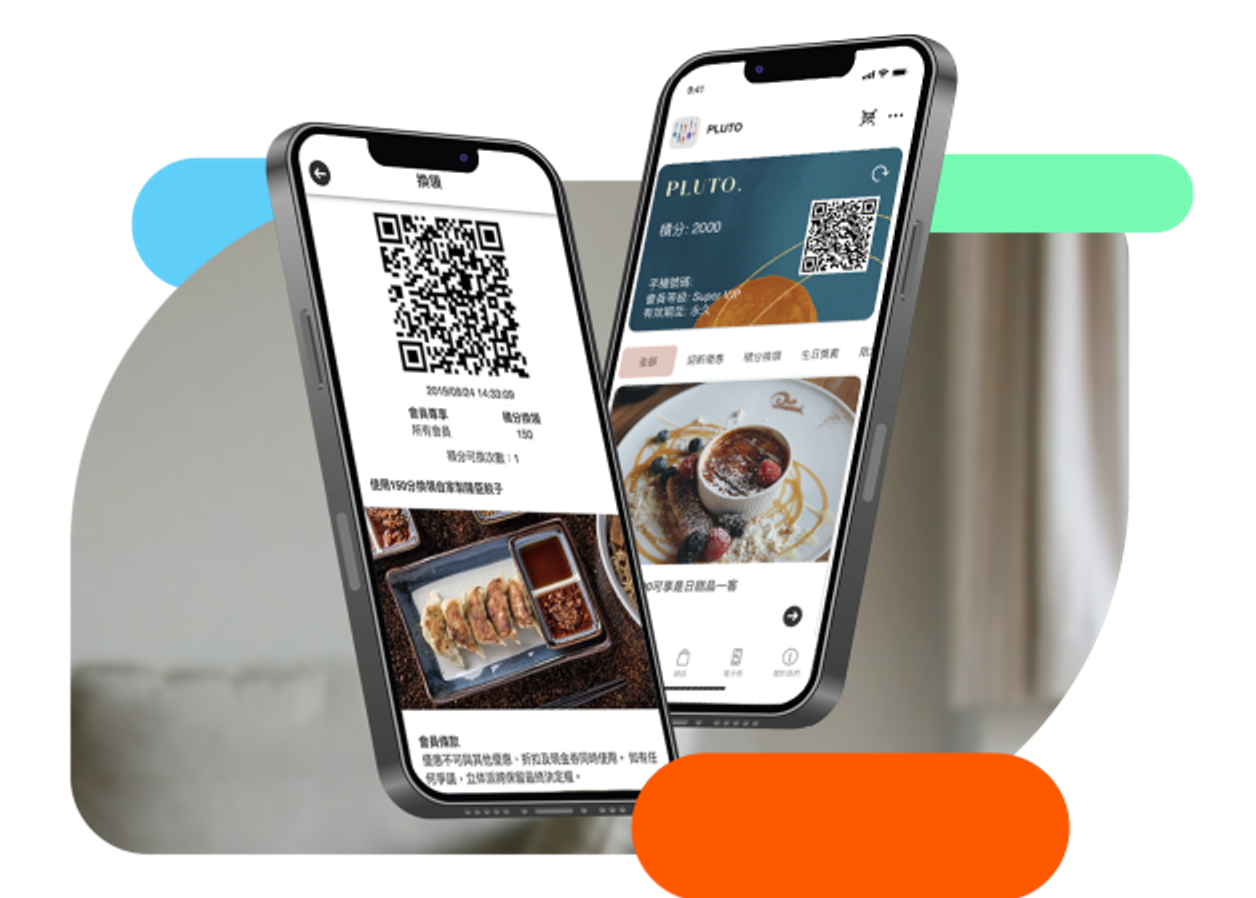
Customer Engagement
Made Easy
Engage and identify your best and most profitable customers to boost retention.

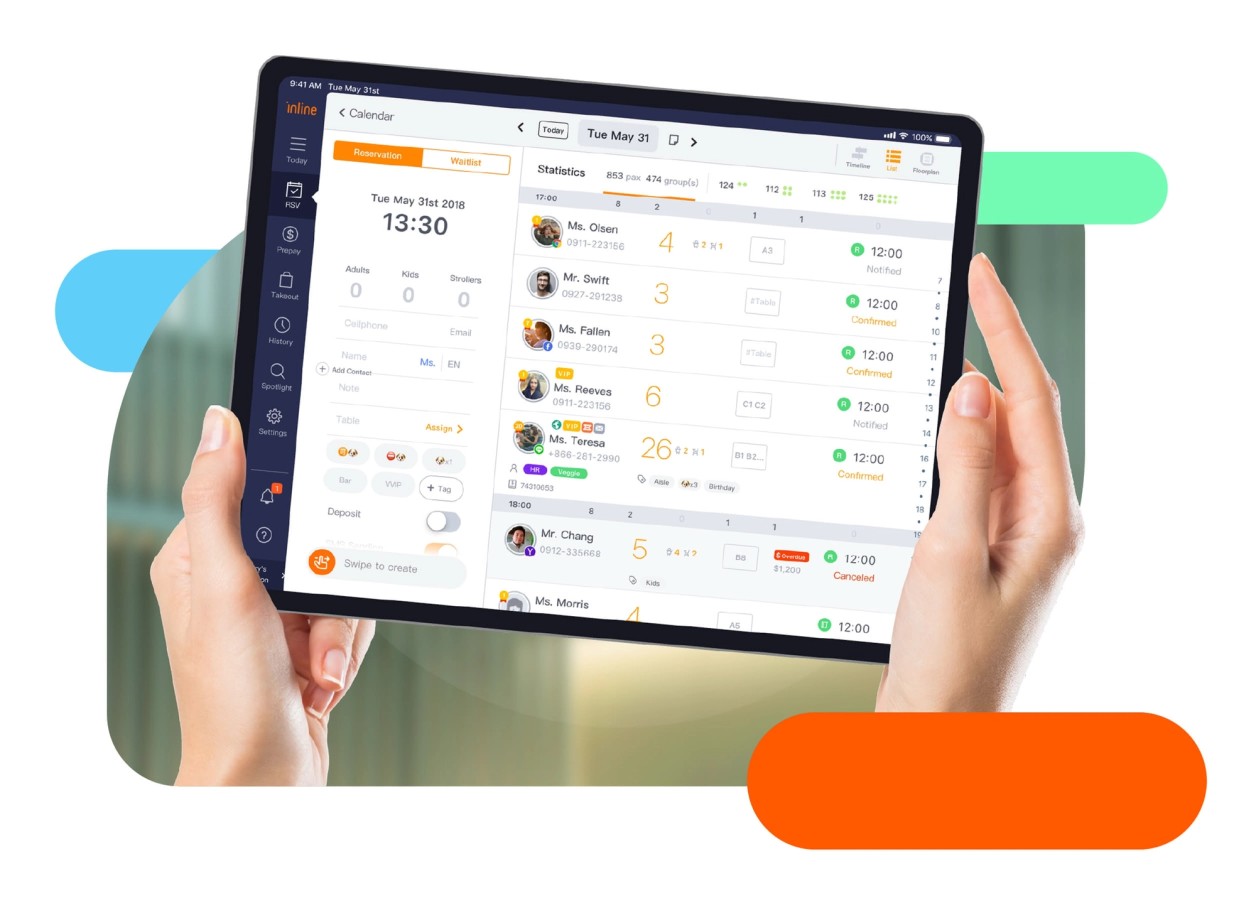
Table Management
Made Easy
From first click to final bill, manage bookings, tables, and guests with ease.