How to Run Promotions Without Hurting Profits
Promotions can boost sales quickly, but without strategy, they can cut into profits just as fast. Learn how to balance consumer appeal with cost control to run smarter, more profitable campaigns.

Promotions are powerful business tools for attracting customers, but only when they're designed to protect your margins, not erode them.
For small business owners, understanding what drives consumer behaviour and how to manage your costs is key. Here's what the data shows, and how you can apply practical approaches to attract customers without sacrificing margins.
What Customers Really Want from Promotions
Today's consumers expect personalisation and flexibility. Deloitte's 2024 Consumer Loyalty Survey found that four in five consumers value flexible reward programmes—yet only 60% are satisfied with current offerings.
For small and growing businesses, this gap represents an opportunity to tailor your promotions to individual preferences, so your business can stand out without reducing prices.
Where your customers shop matters more than you think.
Understanding whether your customers prefer online or in-person shopping is critical for designing promotions that actually convert. A joint survey by Wix and Vista Print reveals that nearly two-thirds (64%) of consumers prefer in-person shopping, but this is largely driven by older generations.
| Shopping Preferences by Generation | Online | In-Person |
| Gen Z | 55% | 45% |
| Millennials | 45% | 55% |
| Gen X | 31% | 69% |
| Baby Boomers | 17% | 83% |
Knowing customers’ shopping preferences helps small businesses design promotion strategies that reach and convert the right audience, without cutting prices or increasing marketing spend unnecessarily.
Managing Costs While Running Promotions
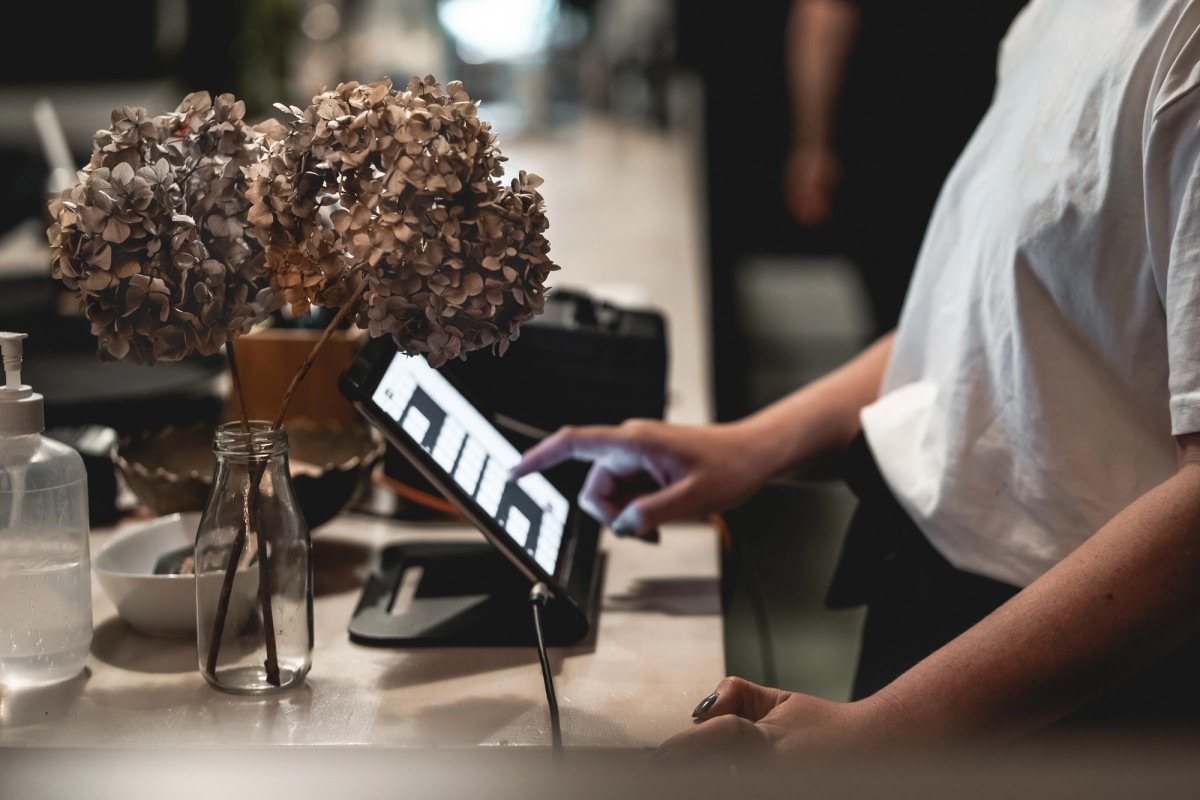
Balancing costs and promotions strategically is especially critical for food & beverage (F&B) businesses. Singapore restaurant or café owners are challenged with managing tight margins carefully. CNA reports the average net profit margin of a restaurant in Singapore sits just between 3% and 6%.
Understanding customer preferences is only part of the solution—managing your costs so promotions drive profit instead of losses is just as important. For F&B businesses, food costs typically consume 28% to 35% of total food sales, while labour takes another 25% to 35% of revenue. Rent fluctuates between 5% and 8% of yearly sales, but this can vary depending on location. Restaurants located in high-traffic areas may pay rent that consumes up to 9% to 15% of their gross sales.
Knowing how much your business spends is crucial for promotions. If your net margin is 5% and you offer a 10% discount without strategic planning, you're operating at a loss on those transactions. The key is designing campaigns that drive volume or build loyalty without simply cutting prices. When you understand your cost structure, promotions shift from guesswork to strategy. You can identify which offers genuinely grow your business and which ones just give away margins you can't afford to lose.
How to Run Promotions That Protect Your Margins
Promotions don’t have to come at the expense of profit. With the right planning, testing, and creativity, small businesses can attract customers and grow revenue without relying solely on discounts.
Here are a few strategies to help you make every promotion count:
Plan your promotions strategically, not just around price. Relying on price-based promotions like discounts or vouchers may boost sales in the short term, but can also weaken your brand and erode profits over time. Many small businesses fall into this pattern because discounts deliver quick, visible results. But, they often come at the expense of long-term growth.
When customers grow accustomed to lower prices, margins shrink and expectations shift. Shoppers begin to associate your brand with bargains rather than value, making it harder to sell at the original price later. This is particularly damaging for small businesses with tight margins, as it can quickly turn into a profitability trap.
Approaching promotions with strategy and intent is key. Focus on creating value, not just reducing your prices. Frame offers as exclusive rewards or experiences for specific customer groups, such as loyalty programme members, or customers who reach a minimum spend threshold. This approach maintains perceived business value while protecting your margins.
Personalisation can further strengthen the impact of your campaigns. According to McKinsey’s Next in Personalisation 2021 report, companies that excel at personalisation generate 40% more revenue from these activities than their peers. Leveraging data insights from smart systems helps you identify which offers resonate most, refine your targeting, and ensure every promotion drives sustainable returns.
Pilot Test Promotions Before a Full Rollout
Testing your promotions on a smaller scale before a full launch can help protect your margins and reduce risk. Instead of rolling out a campaign across all outlets, channels, or customer segments, start with a limited trial. You could run the trial at a single outlet, over a short time frame, or for a specific audience group.
If you’re running a cafe, consider testing out a “buy 2, get 1 free” dessert offer during weekday afternoons. If the uplift in sales offsets the cost of the free item, you can extend the promotion over a longer period, or to other outlets.
Running small pilot tests helps you avoid large upfront marketing spend, inventory commitments, or unnecessary discounts before confirming whether an idea is effective. It ensures that every promotion you scale is backed by real performance data rather than assumptions.
Focus on the Customer Experience
This generational divide matters. To attract younger consumers like Gen Z and Millennials, who prefer shopping online (as mentioned earlier), small businesses should design in-store promotions that offer unique experiences—something shoppers can't get through online channels.
The key lies in focusing on experiences that add value without cutting into your margins. Offering something memorable or exclusive increases perceived value, and strengthens customer loyalty, even when the experience itself costs little to deliver.
For example, a cafe could host a members-only coffee brewing session, while a fashion boutique might run a lucky draw where winners are invited to a private tea and early-access preview. These experiences build emotional connection, encourage word-of-mouth marketing, and drive repeat visits, thereby turning engagement into sustainable profitability.
Design Promotions That Build Value, Not Just Volume
Running profitable promotions isn't about offering the biggest discounts; it's about designing campaigns that build value and loyalty. By understanding customer behaviour, testing ideas before scaling, and focusing on experiences, small businesses can attract customers, protect their margins, and drive sustainable growth.
Related Articles

CRM Solutions Explained: The Small Business Guide to Scaling Customer Relationships
Strong customer relationships are key for small business success, but managing them can be tough. A CRM system simplifies this by centralising data, automating tasks, and enabling personalised customer experiences.

Building a Brand Customers Remember
Building a brand means balancing emotional appeal with measurable results — a tough act in a crowded market. For small businesses with limited time and budgets, brand building often shifts from strategy to survival.
5 Customer Loyalty Ideas That Work for Cafes in Singapore
Singapore’s café scene is going digital, with loyalty apps and cashless tools redefining customer engagement. Discover five proven strategies to turn casual visitors into loyal regulars in this fast-growing market.
Accelerate Your Business
All-in Business 5G+ SIM Only Plan
Made Easy and Secure
Keep connected to your business in SG and overseas securely with roaming data & mobile protect.

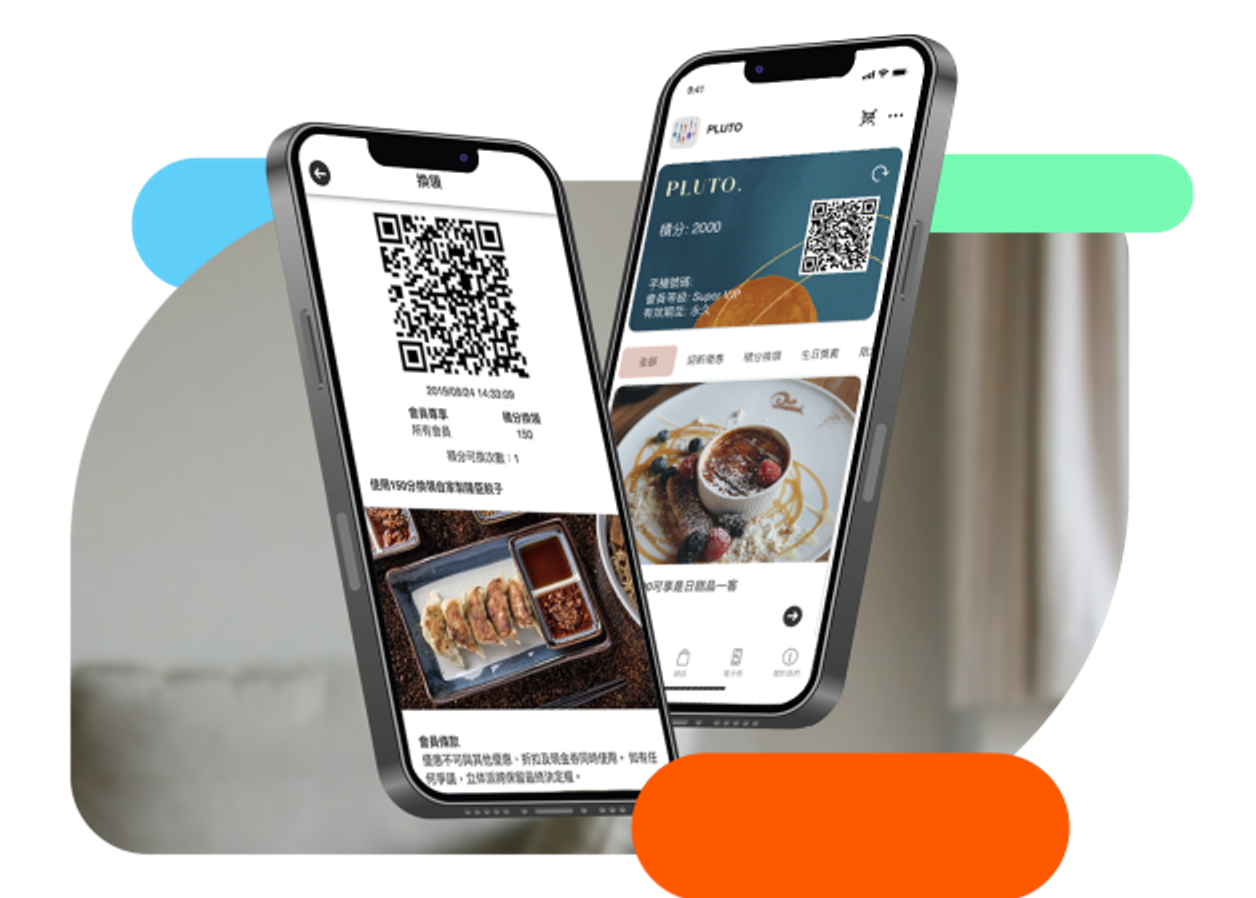
Customer Engagement
Made Easy
Engage and identify your best and most profitable customers to boost retention.

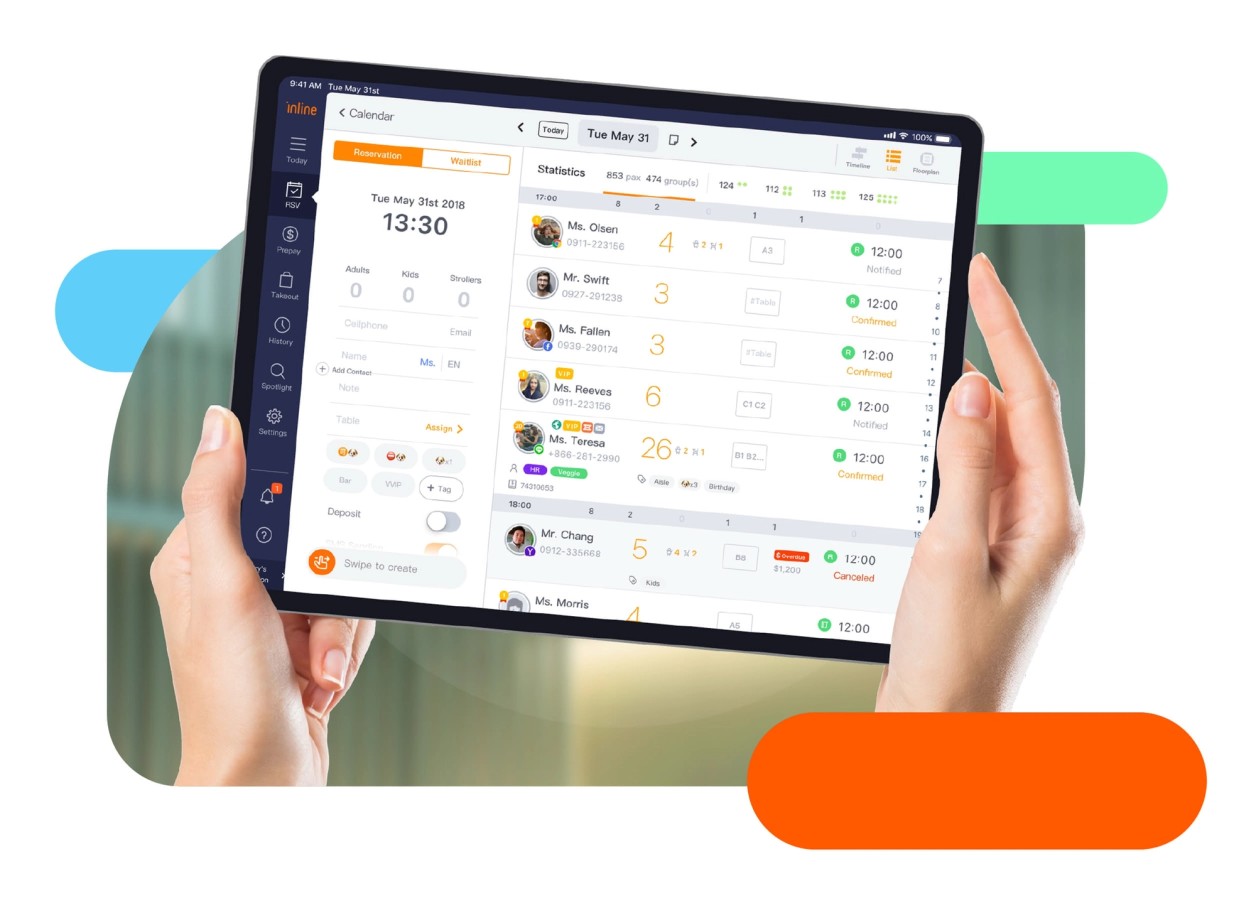
Table Management
Made Easy
From first click to final bill, manage bookings, tables, and guests with ease.