7 Common Mistakes First-Time F&B Owners Make (And How to Avoid Them)
Many first-time F&B owners dive in with passion but overlook key fundamentals. Here are seven common mistakes and practical ways to avoid them for a smoother path to success.

Starting your first café or restaurant? You're not alone — many passionate entrepreneurs take the leap into Singapore's vibrant F&B scene, but few know the hidden challenges behind running a sustainable business. This guide will help you navigate the realities of the industry and set you up for success from day one.
The statistics paint a stark picture. One in four F&B businesses in Singapore shut down within the first year. While the industry faces numerous challenges, with the majority of F&B businesses losing money, even the "lucky" ones end up making 5 to 7% profits. These aren't just numbers on a spreadsheet—they represent dreams deferred, savings depleted, and lessons learned the hard way.
Having analysed industry reports and insights from seasoned operators who've weathered the storms, we've compiled the most critical mistakes that first-time F&B owners make in Singapore's competitive landscape, along with practical strategies to avoid them.
Mistake #1: Underestimating the True Cost of Operations
Understanding F&B operational costs in Singapore is crucial. Perhaps no mistake is more devastating than walking into the F&B business landscape with rose-tinted glasses about profitability. According to industry veterans, many new business owners often assume that they can make 30% profits in the industry. The reality couldn't be more different.
The Hidden Costs That Break Budgets
New entrepreneurs often focus on the obvious expenses—rent, ingredients, staff salaries, while overlooking the many hidden costs that can quickly erode margins. Instead, consider adjacent operating costs, such as pest control contracts, grease trap cleaning, POS system fees, delivery platform commissions (which can reach 30%), wastage, breakage, marketing costs, and compliance certificates. Without proper planning, these costs can quickly add up.
How to Avoid This Mistake:
Start with realistic financial projections. Build a comprehensive budget that accounts for every conceivable expense, then add a 20% buffer for unexpected costs. Implement proper accounting systems from the start—modern POS systems can provide real-time reporting to help you track expenses meticulously, while an integration with accounting software ensures you'll have a clear picture of your financial health from day one.
Additionally, negotiate payment terms with suppliers to manage cash flow better. Many first-time owners pay everything upfront, straining their working capital unnecessarily.

Mistake #2: Choosing Location Based on Rental Savings
It might be tempting to pick a location with below market pricing, but picking a profitable location is one of the most important factors in the survival of your business. An out-of-the-way hidden gem might work for the rare establishment with exceptional word-of-mouth marketing, but for most businesses, being off the beaten path can mean a slow death by obscurity.
The False Economy of Poor Locations
Industry experts agree that even if you have the best food, best prices, and best staff, difficult to reach locations can cause you to lose substantial income. Traffic patterns, accessibility, parking availability, and neighbouring businesses, even competitors, contribute to an outlet’s success or failure.
How to Avoid This Mistake:
Implementing a smart restaurant location strategy is crucial. Rather than compromising on location, explore creative funding options. Look into government grants, angel investors, or partnerships. If you must choose a less prime location, invest heavily in delivery and online ordering infrastructure from the start. Consider implementing solutions like an online reservation system to increase your online visibility and help customers find you even in less prominent locations.
Mistake #3: Failing to Invest in Proper Systems and Technology
Many first-time restaurant owners view restaurant technology solutions as a luxury rather than a necessity, relying on paper records, manual processes, and memory so they can launch quickly. Likewise, over half of SMEs mention that cost often remains a barrier to digitalisation of their business. But overreliance on manual processes can be a recipe for chaos once business grows.
The Compound Effect of Manual Processes
Without proper systems, problems can compound. Inventory discrepancies lead to over-ordering or stockouts. Manual reservation management results in double bookings and angry customers. Lack of data means decisions are based on gut feel rather than insights.
How to Avoid This Mistake:
Start with foundational technology from day one. A good integrated POS system should handle more than just transactions. It needs to track inventory, manage promotions, and provide analytics to identify your best-selling items and peak hours. For customer management, consider implementing loyalty programmes that automate marketing and rewards, turning one-time diners into regulars without manual effort.
Additionally, explore options for security and operational monitoring to help detect anomalies, track footfall, and provide insights into customer behavior.
Mistake #4: Neglecting the Power of Data and Analytics
Restaurant management expert David Scott Peters observed that a common mistake restaurants owners make is they often don’t know the answers to key questions about prime cost and inventory.

The Cost of Ignorance
Without information, you won’t be able to identify problems until they’ve become crises. Is food cost creeping up because of wastage or theft? Are certain dishes losing money? Which promotions actually drive profit versus those that just drive traffic? Understanding your data can help enable proactive management rather than reactive firefighting.
How to Avoid This Mistake:
Implement systems that automatically capture and analyse data. Modern POS systems can track everything from individual item profitability to server performance. Set up daily dashboards monitoring key metrics: food cost percentage, labour cost percentage, table turnover rates, and average check size.
Look for comprehensive analytics solutions that work across your operations, from sales reporting in your POS to footfall analytics and heat mapping that can help optimise your layout and staffing decisions.
Mistake #5: Poor Hiring and Training Practices
Singapore's F&B industry faces a significant shortage of skilled hospitality professionals, particularly chefs and service staff. While turnover exists across all sectors, first-time owners often exacerbate staffing challenges through poor hiring and training practices, creating unnecessary instability in their operations.
The Revolving Door Problem
Desperate to fill positions quickly, new owners may hire anyone willing to work, provide minimal training, then wonder why service is inconsistent. The cost of constantly recruiting and training new staff can cripple a new establishment, especially when competing for talent in a tight labour market.
How to Avoid This Mistake:
Invest heavily in your initial team. Hire fewer but better-qualified staff and pay competitive wages. Develop comprehensive training programmes and standard operating procedures. Create clear career progression paths to retain talent.
Consider using technology to reduce your reliance on large teams. Automated ordering systems, digital menus, and efficient systems can help a smaller team deliver better service without compromising quality.
Mistake #6: Inconsistent Quality and Service Standards
It may be obvious that inconsistent quality can lead to a decline in customer satisfaction and harm business reputation, but first-time business owners can easily become consumed by daily operations, and fail to maintain the consistency that builds customer loyalty over the long term.
The Slow Slide to Mediocrity
It starts small—slightly smaller portions during busy periods, inconsistent cooking times when the regular chef is off, or service shortcuts when short-staffed. But customers notice, and in Singapore's competitive market with endless alternatives, they simply don't return.
How to Avoid This Mistake:
Document every process carefully. Create detailed recipes with precise measurements, cooking times, and plating guides. Develop service standards and scripts. Implement quality control checkpoints throughout service and simplify and mistake-proof your processes to make it easier for you and your team.
Use technology to maintain consistency. Digital kitchen display systems ensure orders are prepared in the correct sequence and timing. Customer feedback systems can alert you to issues before they become patterns.
Mistake #7: Ignoring Regulatory Compliance
Singapore's F&B sector operates under stringent food business regulations, yet first-time owners often underestimate the complexity of compliance. As highlighted by Funding Societies, "The Singapore Food Agency enforces strict regulations to ensure food products are safe for consumption, while the Ministry of Manpower regulates labour laws. Non-compliance can result in severe consequences—from hefty fines and licence revocations to irreparable damage to reputation".
The Compliance Trap
New owners often discover requirements after committing to leases or renovations, leading to costly delays or modifications. Missing a single requirement can delay opening by months. Depending on your business, your legal obligations can span several government agencies, not just limited to food safety. Don’t forget to overlook any requirements due to property, manpower, and tax.
How to Avoid This Mistake:
Start with a comprehensive compliance checklist before signing any lease. Ensure you understand requirements for food shop licences, fire safety certificates, and halal certification if applicable. Build compliance costs and timelines into your business plan from the start.
Learning from Failure, Building for Success
The F&B industry in Singapore is undoubtedly challenging, but it's not impossible. Businesses that work smarter can survive on the little red dot. The key is learning from others' mistakes, embracing technology and systems, maintaining unwavering standards, and adapting quickly to market changes.
For first-time F&B owners, the path to success requires more than passion and good food. It demands careful planning, realistic expectations, smart technology adoption, and the humility to learn from those who've walked this path before. By avoiding these common mistakes and leveraging modern solutions, from POS systems that streamline operations to analytics tools that provide crucial business intelligence, new entrants can position themselves amongst the minority that not only survive but thrive in Singapore's dynamic F&B landscape.
Success demands excellence in execution, and excellence starts with avoiding the mistakes that doom most first-timers before they truly begin.
Related Articles

Government Funding Made Simple: A Quick PSG Grant Guide
Unlock government support with ease — the PSG Grant can help fund your F&B business setup and digital solutions. Here’s a quick guide to help you apply confidently and maximize your benefits.

Your Ultimate Checklist for Opening a Cafe in Singapore
Opening a café in Singapore involves detailed planning and compliance with various regulations. This checklist helps guide you through all essential stages—from developing your concept to launching your café—so that no important step is overlooked.

Boosting Supplier Resilience: A Practical Guide for Small Businesses in Singapore
Strong supplier relationships are vital for smooth operations and healthy profit margins. Learn how effective supplier management can help small retailers and F&B businesses in Singapore ensure consistency, quality, and growth.
Accelerate Your Business
F&B POS
Manage Smarter, Serve Faster
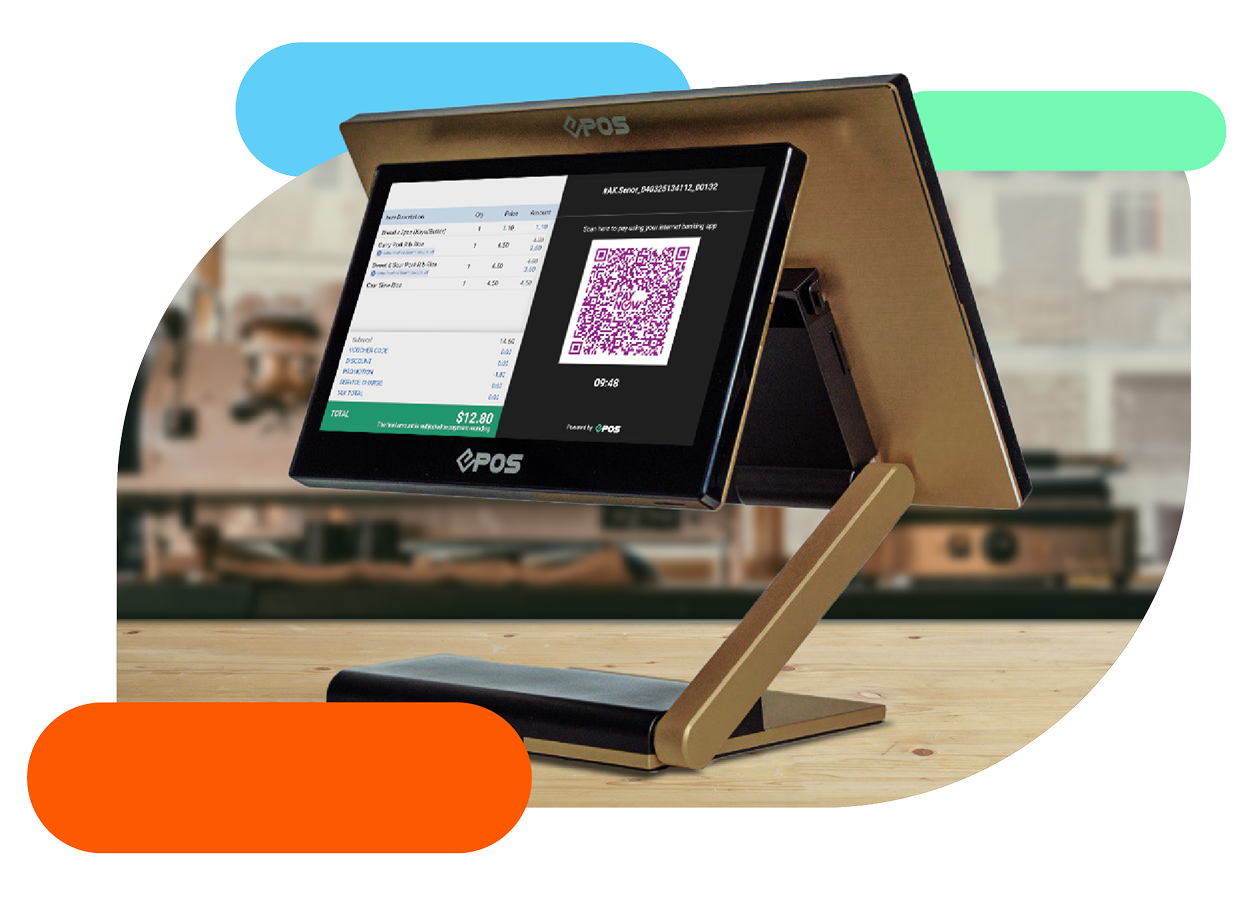
Run a café, restaurant, bar, or QSR? Our all-in-one POS streamlines orders and boosts kitchen efficiency.

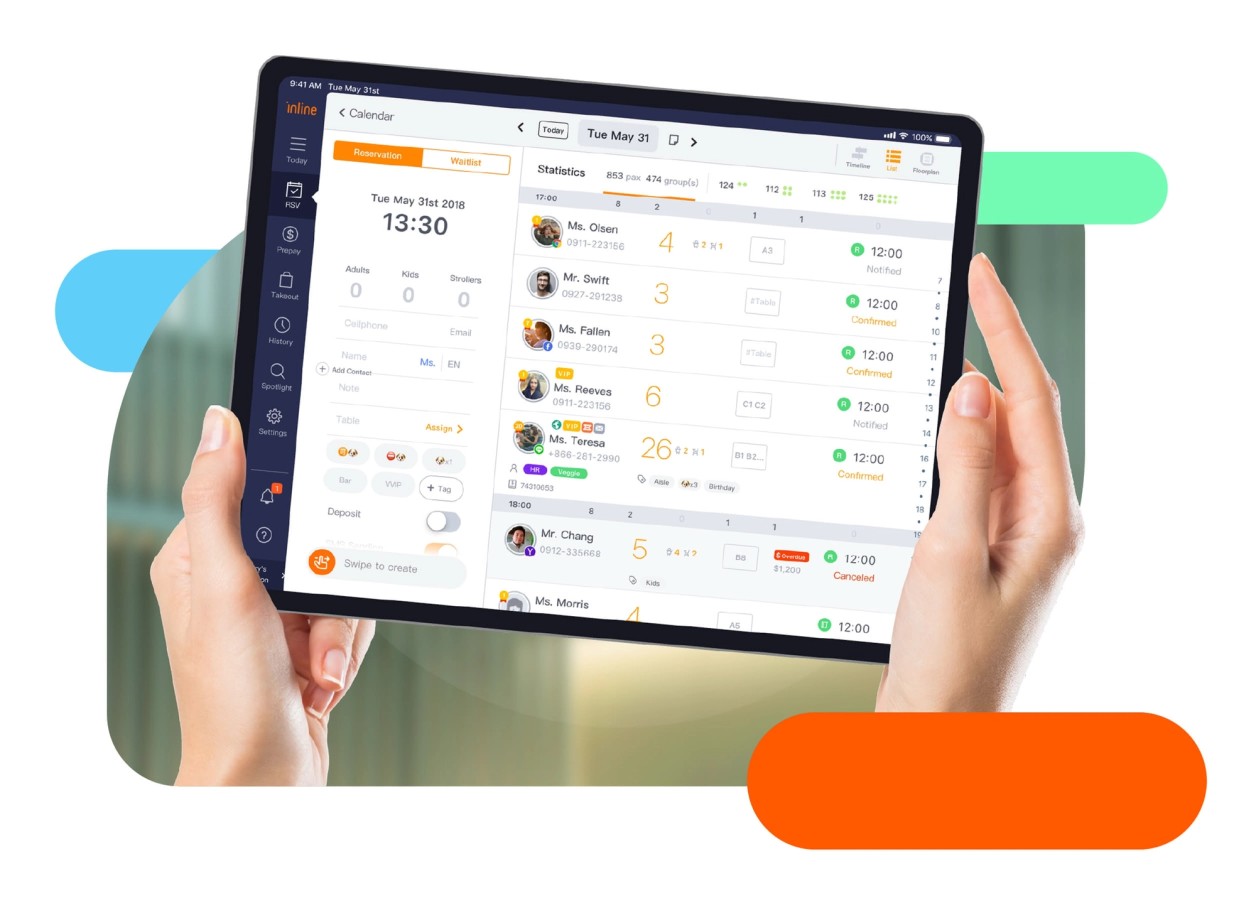
Table Management
Made Easy
From first click to final bill, manage bookings, tables, and guests with ease.


All-in Business Broadband
Made Easy and Secure
A secure, reliable broadband with all that you need in a plan, for your business.