Your Ultimate Checklist for Opening a Cafe in Singapore
Opening a café in Singapore involves detailed planning and compliance with various regulations. This checklist helps guide you through all essential stages—from developing your concept to launching your café—so that no important step is overlooked.

Every successful cafe owner started with the same dream and the same overwhelming question of where to begin. This checklist is meant to help you answer those questions and cut through the confusion so you can turn your vision into a reality.
Phase 1: Business Foundation (Months 1-2)
The foundation phase is where your cafe dream becomes a legal entity. During these first two months, you'll establish your business structure, secure funding, and find the perfect location. These decisions will impact everything from your tax obligations to your daily operations, so take time to research and consult professionals where needed.
Legal & Registration
Register with ACRA (Accounting and Corporate Regulatory Authority)
- Choose business structure (Sole Proprietorship, Partnership, or Private Limited) - ACRA Registration Guide
- Register business name via BizFile+ portal
- Obtain UEN (Unique Entity Number) - Application Process
- Timeline: 1-2 days for approval
- Cost: S$300 for Private Limited Company, S$100 for Sole Proprietorship - Fee Schedule
Appoint Company Secretary (for Private Limited Companies)
- Must appoint within 6 months of incorporation - Companies Act Requirements
- Must be Singapore resident (citizen, PR, or EntrePass holder)
- Cannot be sole director if only one director
- Handles ACRA compliance, annual returns, meeting minutes
- Cost: S$600-2,400/year for professional services
Secure Initial Funding
- Calculate startup costs (typically S$50,000-200,000 for small cafe)
- Explore SME loans and Enterprise Singapore grants
- Set aside 6-month operating buffer

Location & Space Planning
Scout and Secure Location
- Research foot traffic patterns
- Check zoning requirements with URA
- Negotiate lease terms (typically 2-3 years)
- Budget S$5,000-15,000/month for rent
Conduct Feasibility Study
- Analyse competitor density in area
- Survey target demographic
- Project monthly revenue requirements
Phase 2: Licences & Permits (Months 2-3)
Singapore's F&B industry is highly regulated to ensure food safety and public health. This phase involves navigating the various government agencies to secure all necessary licences before you can operate. Start these applications early as some permits, especially Halal certification, can take several months to process. Missing even one licence can delay your opening or result in hefty fines.
Food & Beverage Licencing
Apply for Food Shop Licence from Singapore Food Agency (SFA)
- Submit through GoBusiness portal
- Provide tenancy agreement with IRAS stamp duty certificate - Requirements
- Submit floor plan with dimensions and equipment layout
- Install grease trap and proper ventilation - Technical Requirements
- Processing time: 7 working days for IPA (In-Principle Approval)
- Cost: S$195 per year
Obtain Halal Certification (if applicable)
- Apply through MUIS portal via GoBusiness
- Employ minimum 2 Muslim staff members - Staffing Requirements
- Complete mandatory Halal training programme - Training Info
- Processing time: 3-6 months typically
- Cost: S$670-1,130 for small establishments
Secure Initial Funding
- Calculate startup costs (typically S$50,000-200,000 for small cafe)
- Explore SME loans and Enterprise Singapore grants
- Set aside 6-month operating buffer
Additional Permits
Fire Safety Certificate from SCDF
- Required if occupant load exceeds 200 persons - Fire Certificate Requirements
- Install required fire extinguishers and emergency exits
- Valid for 12 months
- Processing time: 3 business days typically
- Apply via GoBusiness Fire Certificate Portal
Public Entertainment Licence (if having live music)
- Apply through OneService portal
- Cost: S$440 per year
Liquor Licence (if serving alcohol)
- Class 1A (0600-2359hrs): S$880/year - Fee Schedule
- Class 1B (0600-2200hrs): S$660/year
- Apply via GoBusiness Liquor Licence Portal
- Processing time: 3 weeks approximately - SPF Guidelines
Phase 3: Infrastructure Setup (Months 3-4)
This is where your cafe vision comes to life through design and equipment choices. Your renovation and equipment decisions will directly impact your operational efficiency and customer experience. Whilst it's tempting to cut costs here, remember that quality equipment reduces downtime and maintenance issues. Smart technology investments now will save countless hours and provide valuable business insights later.
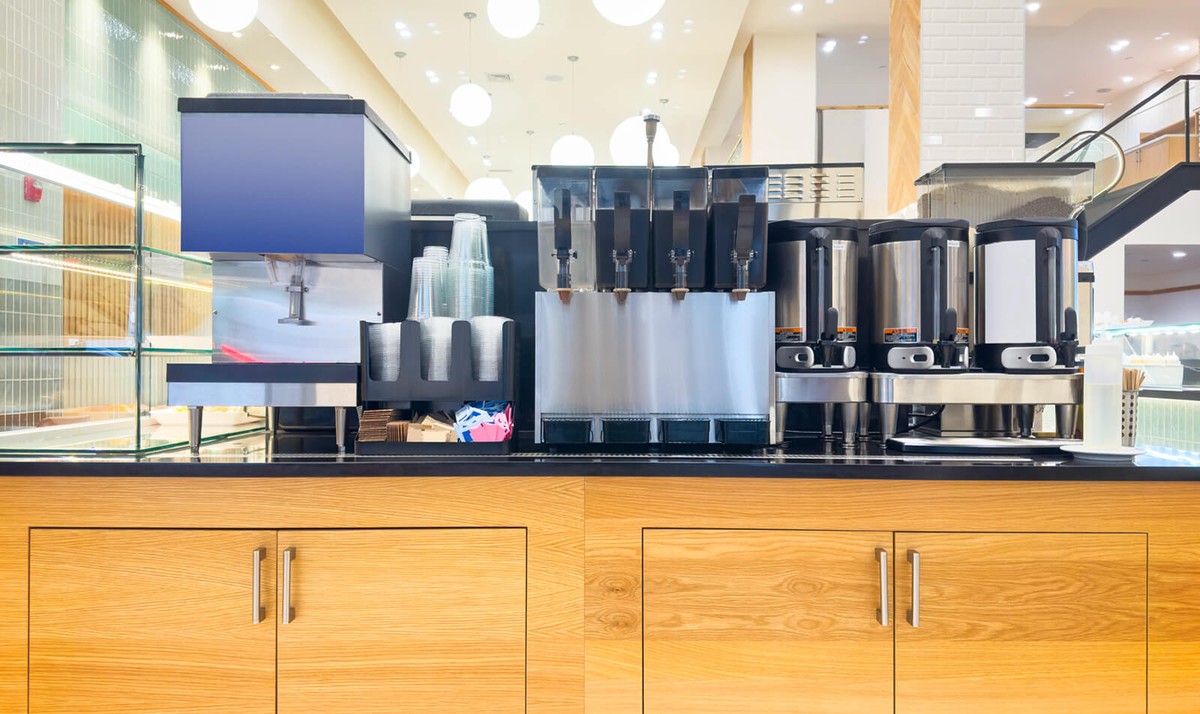
Renovation & Equipment
Design and Renovate Space
- Hire registered contractor
- Install commercial kitchen equipment
- Set up customer seating area
- Create Instagram-worthy design elements
- Budget: S$30,000-80,000
Purchase Essential Equipment
- Espresso machine: S$3,000-15,000
- Grinders, blenders, refrigeration units
- POS terminal, cash drawer, receipt printer
- Kitchen prep equipment
- Total equipment: S$20,000-40,000
Technology Infrastructure
Set Up Business Connectivity
- Install high-speed broadband for seamless operations
- Recommended: Singtel eVolve 500Mbps plan for reliable cloud POS, payment processing, and customer WiFi
- Includes WiFi mesh for full coverage
- 24/7 support for business continuity
Deploy POS System
- EPOS System for integrated operations:
- Real-time inventory tracking
- Built-in loyalty programme
- Digital payment integration (PayNow with 0% fees through UOB partnership)
- Sales analytics for menu optimisation
- Staff performance tracking
- Starting from S$39/month (first year promotional rate)
Phase 4: Operational Preparation (Month 4)
Your team and suppliers are the backbone of daily operations. During this crucial month, you'll build the human and supply chain infrastructure that will determine your cafe's consistency and quality. Proper training and strong supplier relationships established now will prevent many headaches once you open. Remember, in F&B, your staff are your brand ambassadors.
Staffing & Training
Hire and Train Staff
- Baristas (minimum 2-3 for shifts)
- Kitchen staff for food preparation
- Budget 30% of revenue for labour costs
Obtain Required Certifications
- WSQ Food Safety Course Level 1 (mandatory for all food handlers) - SFA Requirements
- Valid for 5 years, refresher required after
- Cost: S$163.50 including GST - Course Providers
Supplier Management
Establish Supplier Relationships
- Coffee bean suppliers (2-3 for variety)
- Fresh produce and dairy suppliers
- Packaging and disposables vendors
- Negotiate NET 30 payment terms
Set Up Inventory System
- Configure EPOS for automated stock tracking
- Set reorder points for critical supplies
- Implement FIFO system
- Budget 28-35% of revenue for food costs
Phase 5: Marketing & Launch (Month 5)
The final sprint before opening day focuses on creating buzz and ensuring all compliance requirements are met. Your marketing efforts now will determine your initial customer base, whilst proper inspections and financial setup ensure you can operate legally from day one. A soft launch with friends and family helps iron out operational kinks before the grand opening.
Digital Presence
Create Online Presence
- Register Google My Business listing
- Set up social media accounts
- Build simple website with online ordering
- Configure EPOS digital ordering feature
Plan Grand Opening
- Soft launch with friends and family
- Grand opening promotion
- Partner with food delivery platforms
- Set up customer loyalty programme through EPOS
Compliance & Operations
Final Inspections
- SFA pre-licensing inspection (virtual or photo submission) - Inspection Process
- Payment notification within 7 working days after passing
- Display original licence prominently
Financial Setup
- Open corporate bank account
- Register for GST (if revenue exceeds S$1M annually)
- Set up accounting system integrated with EPOS
- Apply for PayNow Corporate
Phase 6: Post-Launch Optimization (Months 6+)
Opening day is just the beginning. The first few months after launch are critical for establishing your cafe's reputation and refining operations based on real customer feedback. Use data from your POS system to understand what's working and what isn't. Stay agile and be ready to adjust your menu, pricing, or operations based on actual performance rather than assumptions.
Performance Monitoring
Track Key Metrics
- Daily sales through EPOS reports
- Popular menu items and peak hours
- Customer retention via loyalty programme
- Inventory turnover and wastage
Continuous Improvement
- Gather customer feedback
- Adjust menu based on sales data
- Optimise staff scheduling
- Explore expansion opportunities through EPOS
Cost Summary Breakdown
| One-Time Costs | Amount |
| ACRA Registration | S$100-300 |
| Company Secretary | S$600-2,400 (first year) |
| Renovation | S$30,000-80,000 |
| Equipment | S$20,000-40,000 |
| Initial Inventory | S$5,000-10,000 |
| Marketing Launch | S$3,000-5,000 |
| POS Hardware | S$5,400 (approx.) |
| Recurring Monthly Costs | Amount |
| Rent | S$5,000-15,000 |
| Utilities | S$500-1,000 |
| Staff Salaries | S$8,000-15,000 |
| Supplies | S$5,000-10,000 |
| POS System | S$39-59 |
| Business Fibre Internet | S$180 |
Total Estimated Startup Cost: S$80,000-200,000
Pro Tips for Success
- Location is Everything: Choose high foot-traffic areas. Rent should not exceed 15% of projected monthly sales.
- Differentiate Your Offering: Create a unique value proposition to stand out in Singapore's competitive cafe scene.
- Leverage Technology Early: Proper POS and connectivity solutions prevent operational issues and provide valuable insights.
- Build Community: Create a space where people want to spend time, not just grab coffee.
- Monitor Cash Flow: Keep operating expenses under control - aim for 15% profit margin after all costs.
We provide the roadmap and partnerships so your adoption of AI is gradual, affordable, and directly tied to business outcomes.
AI is no longer a luxury — it’s an enabler of growth. For small businesses, adopting AI through the right tools and partners can mean faster launches, smarter scaling, and better customer retention. With Stack-EZ’s Start Easy and Scale Easy solutions, you don’t just get access to technology — you get an ecosystem designed to help you grow confidently.
Ready to Start Your Cafe Journey?
This checklist provides the roadmap, but having the right partners makes all the difference.
Streamline your operations from day one with:
- Reliable connectivity that keeps your business online 24/7
- Smart POS systems that grow with your business
- Integrated solutions that save time and reduce errors
Related Articles

Government Funding Made Simple: A Quick PSG Grant Guide
Unlock government support with ease — the PSG Grant can help fund your F&B business setup and digital solutions. Here’s a quick guide to help you apply confidently and maximize your benefits.

7 Common Mistakes First-Time F&B Owners Make (And How to Avoid Them)
Many first-time F&B owners dive in with passion but overlook key fundamentals. Here are seven common mistakes and practical ways to avoid them for a smoother path to success.
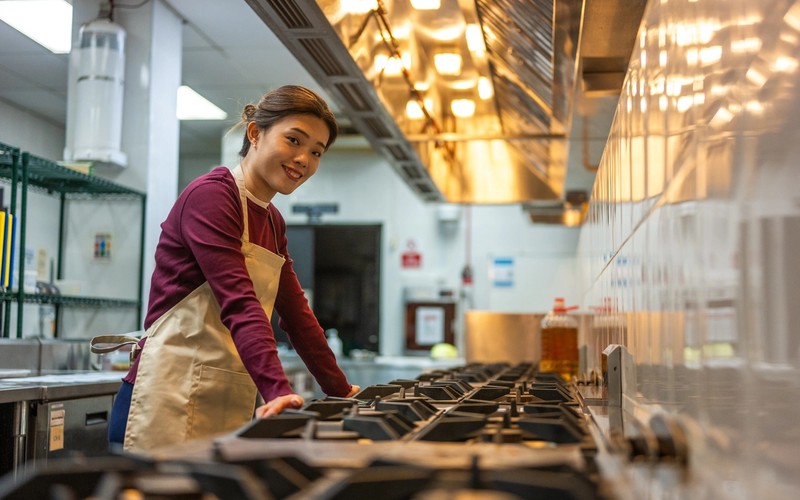
Boosting Supplier Resilience: A Practical Guide for Small Businesses in Singapore
Strong supplier relationships are vital for smooth operations and healthy profit margins. Learn how effective supplier management can help small retailers and F&B businesses in Singapore ensure consistency, quality, and growth.
Accelerate Your Business
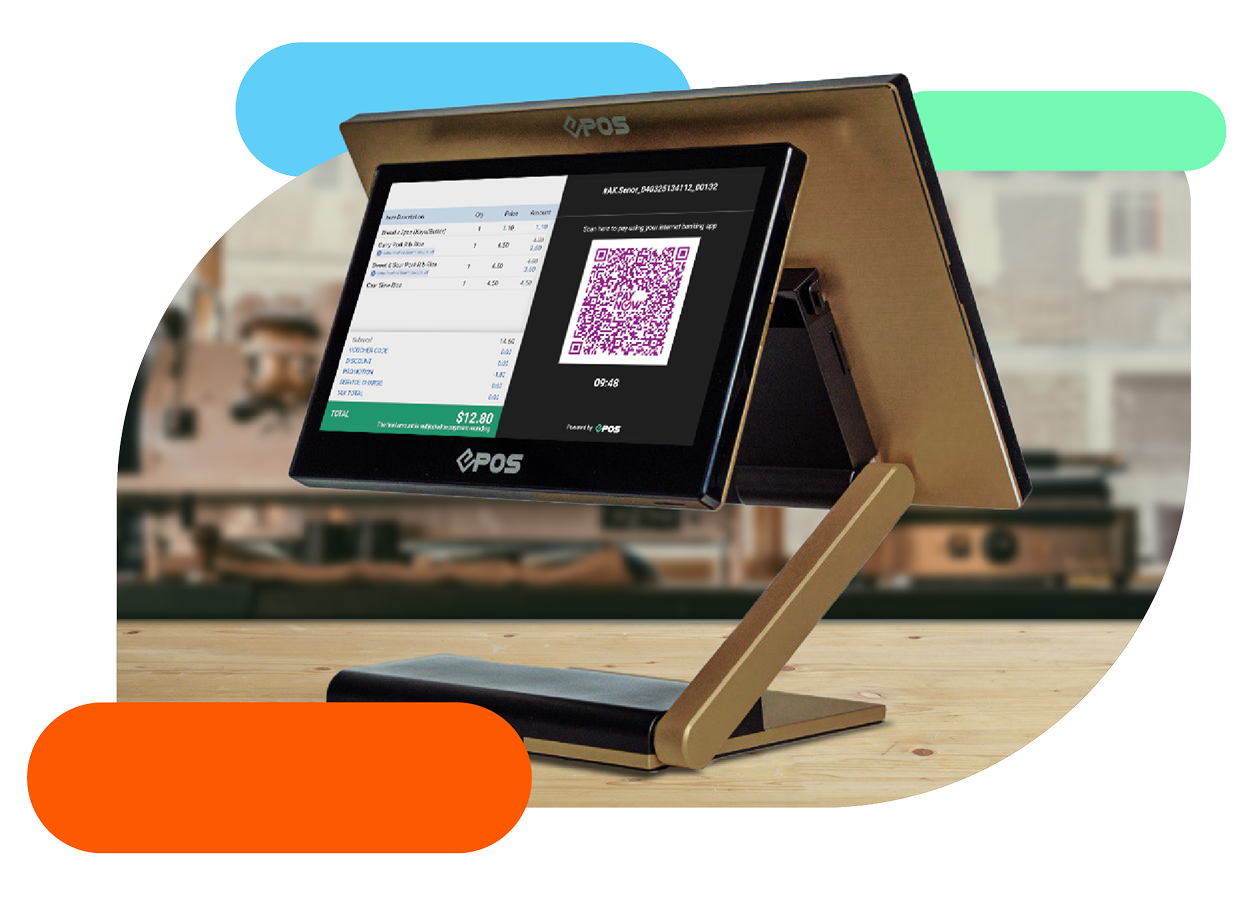
F&B POS
Manage Smarter, Serve Faster
Run a café, restaurant, bar, or QSR? Our all-in-one POS streamlines orders and boosts kitchen efficiency.

All-in Business 5G+ SIM Only Plan
Made Easy and Secure
Keep connected to your business in SG and overseas securely with roaming data & mobile protect.

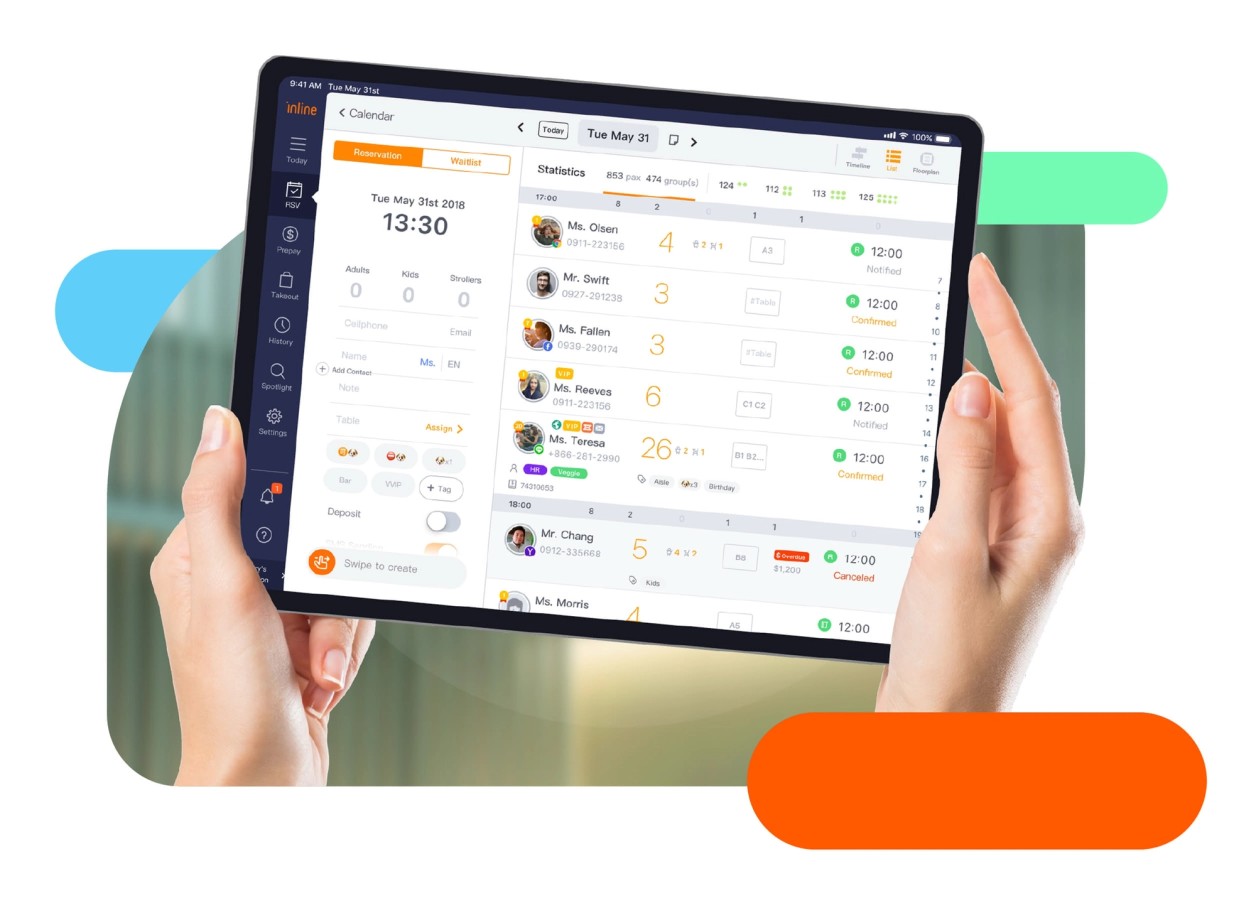
Table Management
Made Easy
From first click to final bill, manage bookings, tables, and guests with ease.