Singapore Small Business’s Guide to Tracking Footfall and Conversion Rates
With walk-in traffic declining across Singapore, tracking footfall is now crucial for F&B and retail success. Affordable footfall solutions help businesses uncover insights, boost performance, and make smarter growth decisions.
Singapore’s F&B and retail businesses are navigating declining walk-in traffic, as reported in recent months by CNA and The Straits Times. This is likely driven by various factors, including the loss of anchors that drive high foot traffic to shopping malls, changing consumer habits, and shifts in the retail landscape.
Yet, footfall remains a key indicator of visibility, engagement, and opportunity, especially for small and growing businesses. Overlooking foot traffic metrics can mean missed revenue, as well as untapped insight into how effectively your store attracts and serves customers.
Smart businesses across Singapore, including Giorgio Armani (with Whale SpaceSight), are turning to footfall tracking solutions to gain clarity on their store performance. Simple, cost-effective footfall tracking solutions can help you understand your store traffic, identify opportunities for growth, and make data-driven decisions that drive results.
Whether you're a first-time entrepreneur or looking to optimise your operations, the right tools can transform how you measure and grow your business.
What is Footfall Tracking, and Why is It Important?
Footfall, also known as foot traffic, store traffic, customer traffic, or walk-ins, measures the number of visitors entering a store. Businesses measure footfall based on various time intervals, often on an hourly, daily, weekly, monthly, and annual basis.
Footfall analysis is important because it enables small business owners to:
- Measure store performance
- Optimise store layout
- Identify consumer trends
- Allocate staff and resources more efficiently
- Analyse marketing performance
- Measure in-store conversion
Footfall Tracking Methods for Retail and F&B Businesses
Small and growing businesses can measure footfall via the following methods:
Manual Counting
With this method, visitors are manually counted using a handheld clicker device as they enter or exit your store. This method of tracking footfall is cost-effective and easy to implement, but can be time-consuming and prone to human error.
While manual counting has made way for automated methods of tracking footfall, it can still be a good option for small businesses that:
- Operate a small venue with a single entry point.
- Have recently launched a new store, cafe, or restaurant—manual counting is a way for you to gauge footfall traffic, before investing in an automated or analytics system.
- Run temporary spaces, such as pop-ups, event booths, or experimental concept stores.
Beam Counter Sensors
Beam counter sensors use a narrow beam of light, usually infrared, to count people as they pass through a doorway or entrance. When someone walks in and breaks the beam, the device records a count.
Models with two parallel beams, often called dual-beam or bidirectional infrared counters detect direction. If one beam breaks before the other, the system knows whether a visitor is entering or leaving. This allows businesses to track both inbound and outbound traffic accurately.
These devices are affordable, easy to install, and privacy-friendly, as they detect only movement and do not capture any images or personal data—best suited for small businesses that:
- Operate a store, cafe, or restaurant with a single entry point. If your venue has multiple entry points, you’ll require multiple sensors, which raises costs and complexity.
- Run in a small or medium-sized venue with moderate footfall traffic. The accuracy may drop if visitors enter side by side or in groups simultaneously, as the sensor may register these as a single count.
Thermal Sensors
Thermal sensors track footfall by detecting body heat. When installed at entry points, they can count how many visitors enter your store, cafe, or restaurant. To analyse movement patterns within the space, additional sensors should be placed throughout the venue. These systems are relatively affordable, privacy-friendly, and reliable even in low-light environments.
Thermal sensors can be ideal for small businesses that:
- Operate in low-light environments. Unlike video cameras, thermal sensors aren’t affected by lighting conditions, making them ideal for venues with dim interiors or limited visibility.
- Prioritise customer privacy while tracking basic footfall. Thermal sensors provide anonymous heat data without capturing personal information or demographic details, making them a privacy-friendly option when in-depth insights aren't necessary.
Video Analytics Platforms
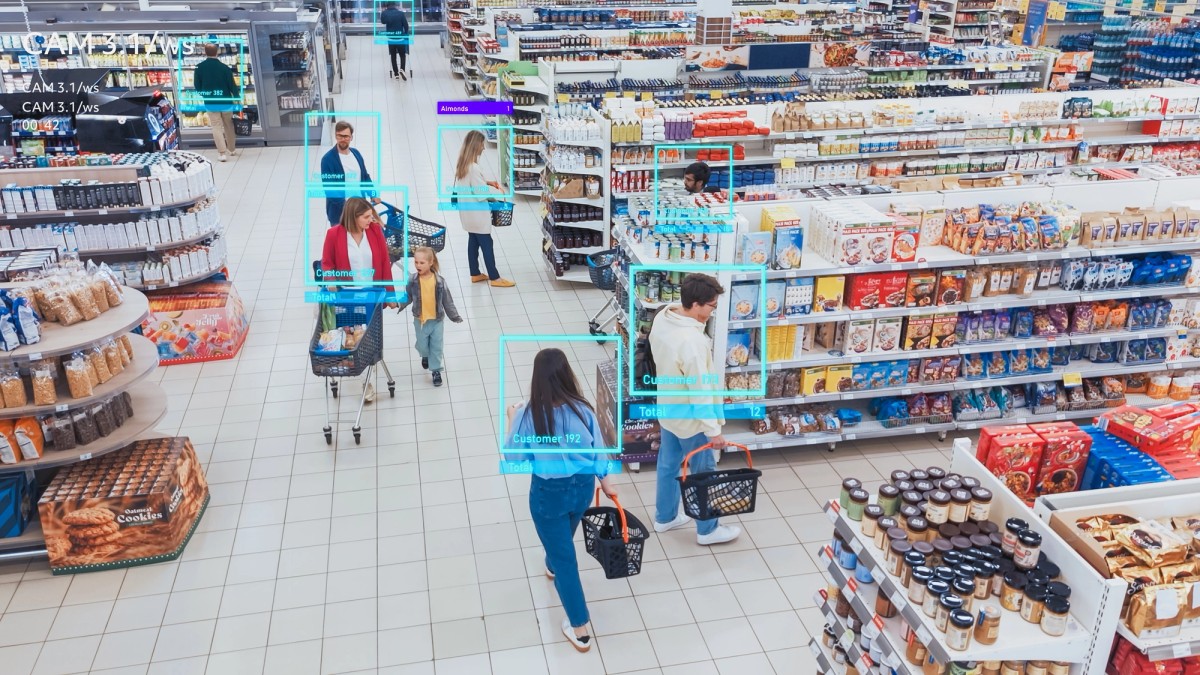
Video analytics platforms detect footfall through smart cameras, which can be installed at entry points and key zones within a venue. Beyond counting footfall, these systems anonymously track visitor movement to provide deeper insights such as dwell time, traffic flow, zone heatmaps, and basic customer demographics.
These solutions can work well for small businesses that:
- Offer an immersive in-store customer experience. Many beauty brands use sensory elements—such as scent, lighting, product testing areas, and personal consultations—to engage customers.
- Retail Asia reports that at the YSL Beauty Boutique at Raffles City, shoppers can receive a detailed skin analysis and customised skincare recommendations through the YSL Skin Edge device.
- Leveraging video analytics platforms helps businesses understand how customers interact with their displays and in-store experiences, allowing owners to make informed decisions to refine store design and layout.
- Operate multiple F&B or retail outlets. Video analytics platforms provide the data you need to benchmark performance, and manage staff and resource allocation across multiple outlets.
- Have moderate to heavy footfall traffic. These platforms have the capability to handle complex flows, and track multiple visitors or groups accurately.
Implementing Advanced Analytics: Whale SpaceSight for Singapore SMBs
For businesses ready to leverage advanced analytics, Whale SpaceSight by Stack-ez offers AI-powered insights that transform how you understand your store traffic. With pricing plans to suit different budgets and small business needs, the system tracks:
- Passerby and interested customer counts
- Unique entry counts and customer demographics
- In-store heatmaps indicating popular areas
- Zone flow patterns revealing customer movement
For growing businesses with multiple locations, the Whale SpaceSight Pro plan provides additional features like video surveillance integration. This solution enables remote operations monitoring and footfall analytics across multiple outlets, supporting more efficient management at scale.
Turning Foot Traffic Into Sales
Counting visitors is just the first step. To understand how your store performs, you also need to know how many of those visitors become paying customers—this is what the foot traffic to conversion rate reveals.
Foot Traffic to Conversion Rate: A Key Performance Metric
Foot traffic to conversion rate, also known as store conversion rate, compares a business’s visitors versus paying customers. It’s measured using the formula:
(Number of Sales ÷ Total Footfall) × 100
This is a key metric for evaluating store performance, as it shows the percentage of visitors that have completed a purchase or transaction. It connects foot traffic with sales, and shows how effective your store is in turning visitors into customers.
While tracking footfall traffic is important, that data alone isn’t an accurate indicator of store performance. For example:
| Visitors | Sales | Foot traffic to conversion rate | |
| Store A | 500 | 50 | 10% |
| Store B | 100 | 40 | 40% |
Store A may appear to be outperforming B based on foot traffic, but calculating the conversion rate shows that B is the stronger performer. Tracking both foot traffic and conversion helps you see whether your marketing is bringing the right customers through the door, and whether your in-store experience encourages visitors to complete a purchase or transaction.
This focus on conversion isn’t limited to physical stores. As shoppers move seamlessly between offline and online channels, understanding where and how they convert has become even more critical.
According to Mordor Intelligence’s Singapore retail market analysis, the e-commerce & others channel is projected to grow the fastest, at 12.28% CAGR through 2030. In a separate Singapore food-service market report by the same firm, food delivery is identified as the fastest-growing channel, with revenue forecasted to rise at 20.72% CAGR from 2025 to 2030.
For small retail and F&B businesses, these findings highlight the need to understand how both online and offline traffic convert into sales. It’s no longer enough to monitor in-store visits alone—businesses must also track digital touchpoints such as delivery and online orders to gain a complete view of performance.
Leveraging Footfall Data to Improve Store Performance
Beyond measuring traffic and conversion rates, analysing footfall data can reveal practical insights that help you optimise operations, marketing, and overall store performance. Here are some ways businesses use footfall analytics to make data-driven improvements.
Track foot traffic patterns during major shopping events
RetailNext reports major shopping events, like Black Friday sales, can create shifts in in-store foot traffic patterns, including spikes in traffic and increased crowding at checkout areas. Tracking these patterns provides valuable insight into how customers behave under peak pressure, helping you identify and address inefficiencies in operations or layout.
Monitor competitor footfall for additional insights
Monitoring competitor footfall helps identify which stores attract more visitors, allowing you to learn from strategies that perform well in your market.
Cross-visitation data adds further context. Echo Analytics, citing research from AlphaMap, found that 9.3% of people who visited CVS also stopped by a FedEx Office Ship Centre.
Insights like these can inform smarter decisions about your marketing, store locations, and potential partnerships with other businesses in the vicinity.
Draw inspiration from broader industry trends
Deloitte’s 2025 retail industry outlook survey highlights consumer priorities and growth opportunities for retail businesses:
- Retail executives surveyed expect consumers to prefer spending on experiences over goods (80%), purchase products increasingly on social media (68%), and go on frequent shopping trips with smaller basket sizes (67%).
- To achieve growth, retailers are looking to strengthen loyalty programs (46%), boost digital commerce offerings (45%), and enhance omnichannel experiences (44%).
These findings don’t only apply to large retailers; small businesses can also incorporate these insights into their strategies to offset footfall volatility, and improve business performance.
Optimise Store Performance with Footfall Data
Rising rental costs add pressure on Singapore’s competitive retail and F&B landscape, changing how small businesses view retail spaces. As PropNex reports, being located in a mall or shopfront once meant stability and visibility. Today, unpredictable footfall can hurt a business’s bottom line.
Leveraging data and smart systems is key to staying ahead. By combining footfall tracking with conversion analysis, small businesses can go beyond guesswork to understand what truly drives sales and customer engagement.
For small businesses ready to take the next step, solutions like Whale SpaceSight can make analytics more accessible. Whale SpaceSight’s AI-driven platform provides real-time insights into customer behaviour, helping owners optimise layouts, staffing, and day-to-day operations for greater efficiency and performance.
Let’s explore how the right footfall solution can strengthen your business performance. Connect with us to find an approach that fits your needs.
Related Articles
6 Essential Metrics to Boost Your Business Performance
Success today requires more than great products — it demands data-driven decisions. Tracking key business metrics helps owners spot trends, optimise resources, and make smarter moves on pricing, promotions, and operations.

How to Turn First-Time Visitors into Regulars: A Strategic Guide for Singapore Businesses
In Singapore’s competitive market, retaining customers is far more cost-effective than acquiring new ones. Even a 5% boost in retention can lift profits by up to 95%, making loyalty the key to sustainable growth.
Boosting Supplier Resilience: A Practical Guide for Small Businesses in Singapore
Strong supplier relationships are vital for smooth operations and healthy profit margins. Learn how effective supplier management can help small retailers and F&B businesses in Singapore ensure consistency, quality, and growth.
Accelerate Your Business
All-in Business 5G+ SIM Only Plan
Made Easy and Secure
Keep connected to your business in SG and overseas securely with roaming data & mobile protect.

Customer Engagement
Made Easy
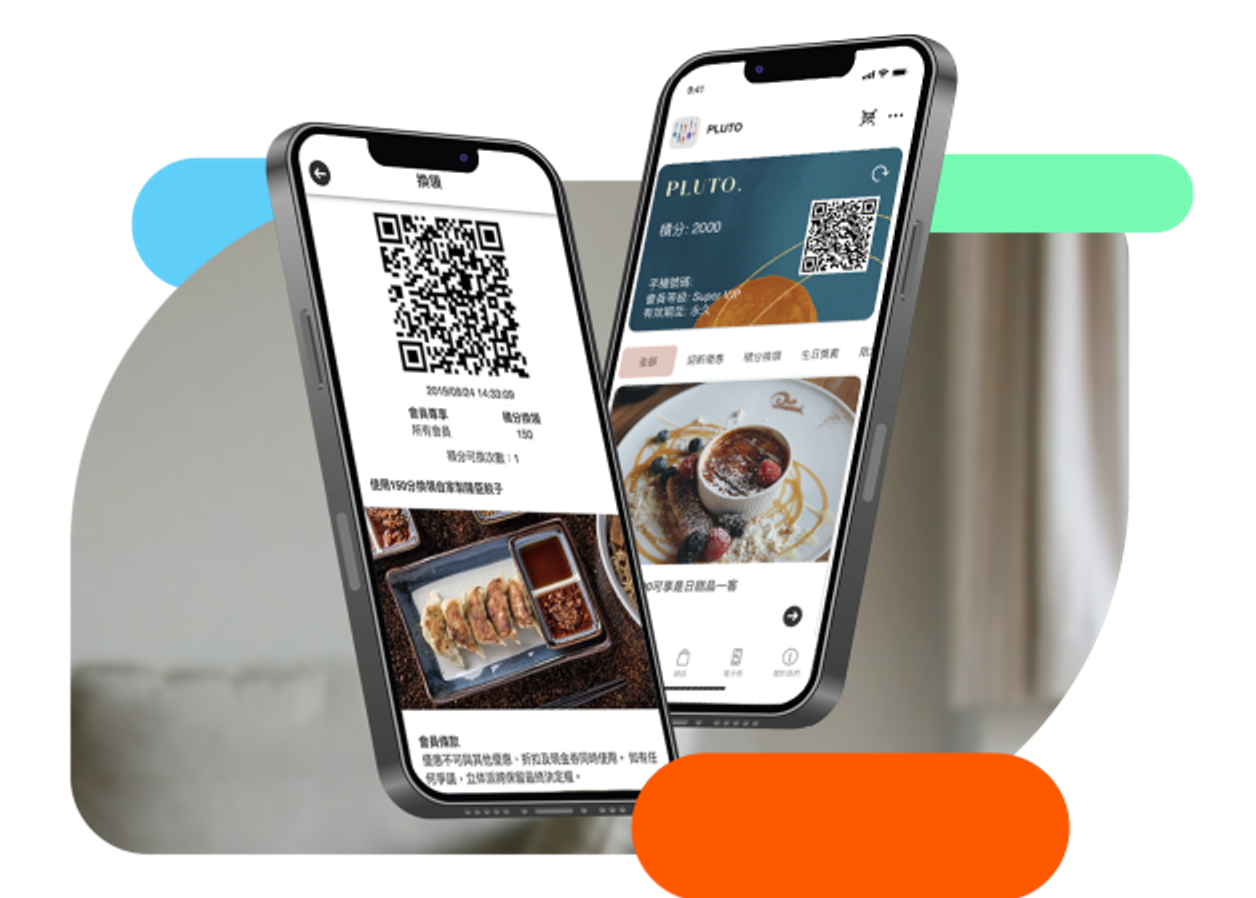
Engage and identify your best and most profitable customers to boost retention.

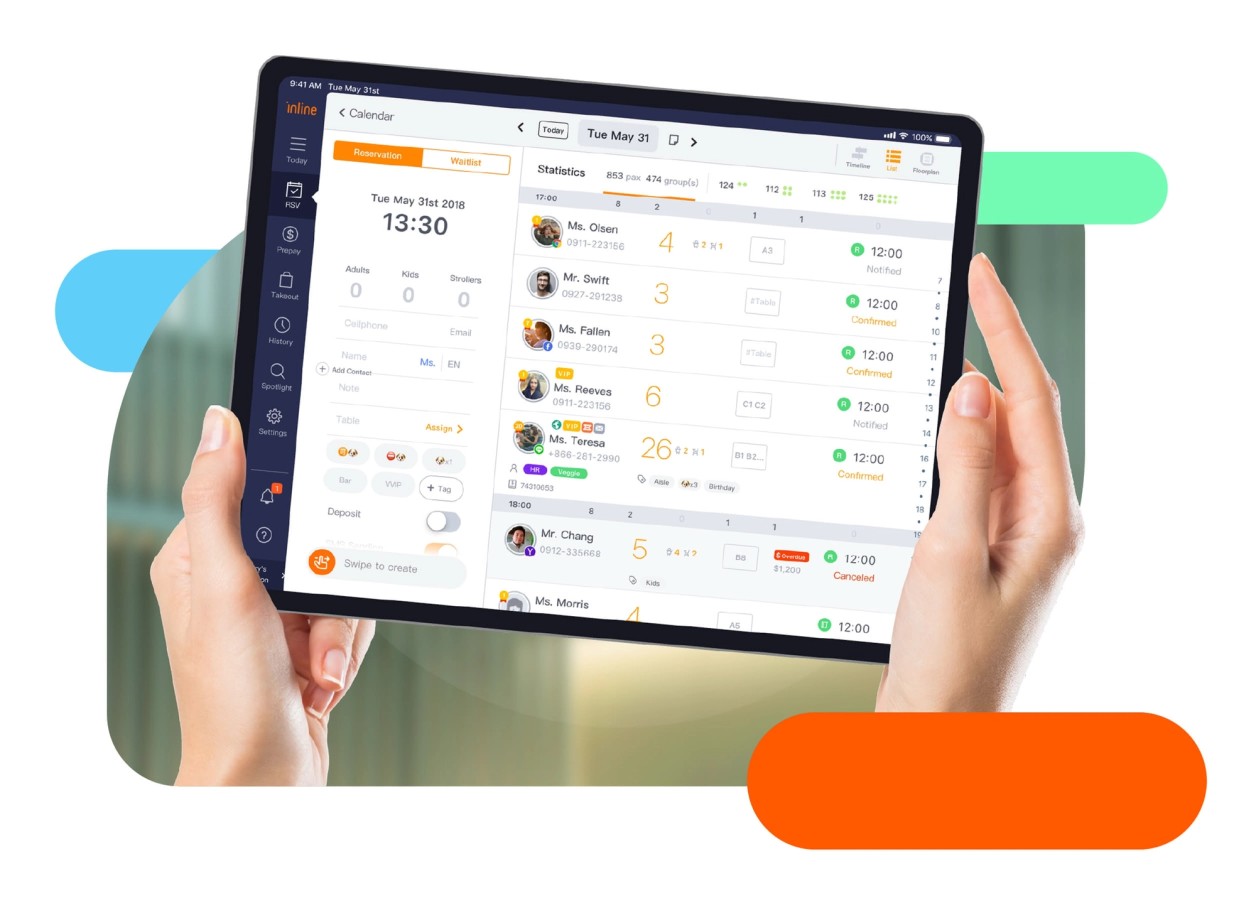
Table Management
Made Easy
From first click to final bill, manage bookings, tables, and guests with ease.